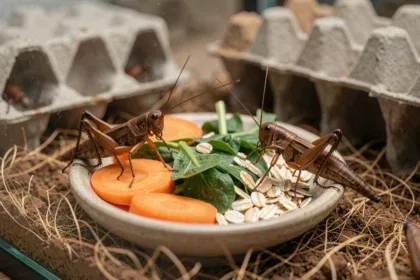
How to Gut-Load Feeder Insects in 48 Hours
Here’s the uncomfortable truth about feeder insects: the cricket is not the meal. Whatever the cricket ate in the last day or two is the meal. An ungut-loaded cricket is, in one reptile vet’s memorable phrase, a delivery vehicle with nothing inside.
Gut-loading is the practice of feeding your feeders a nutrient-dense diet for 24–72 hours before they become dinner — so the good stuff is sitting in their guts when your dragon eats them. Tick what you’re currently feeding your insects below and get an honest grade.
Gut-loading vs. maintenance feeding (not the same thing)
This distinction is where most keepers go wrong. Maintenance feeding is what keeps your colony alive day to day — the oats, veg scraps, and water crystals in the dubia tub. Gut-loading is a targeted 24–72 hour protocol: the insects destined for feeding get moved (or the whole bin gets upgraded) onto a nutrient-dense diet so their guts are packed with calcium, beta-carotene, and vitamins at the moment of feeding.
Why the window matters: insects pass gut contents in roughly 12–24 hours. A carrot tossed in the morning is gone by evening. Start the gut-load the day before feeding day at minimum; 48–72 hours is the ideal cited across care guides. The morning-of scramble doesn’t count.
💡 Did you know? The calcium in a gut-loaded insect isn’t in the insect’s body — it’s in its digestive tract. That’s why timing is everything: a perfectly gut-loaded cricket fed to your dragon 6 hours later is still great, but the same cricket left unfed for two days has processed and excreted the good stuff. You’re racing the insect’s metabolism.
The 48-hour gut-load menu
Build every gut-load from three categories. Variety across categories beats volume of any single food.
| Category | Best choices | Why |
|---|---|---|
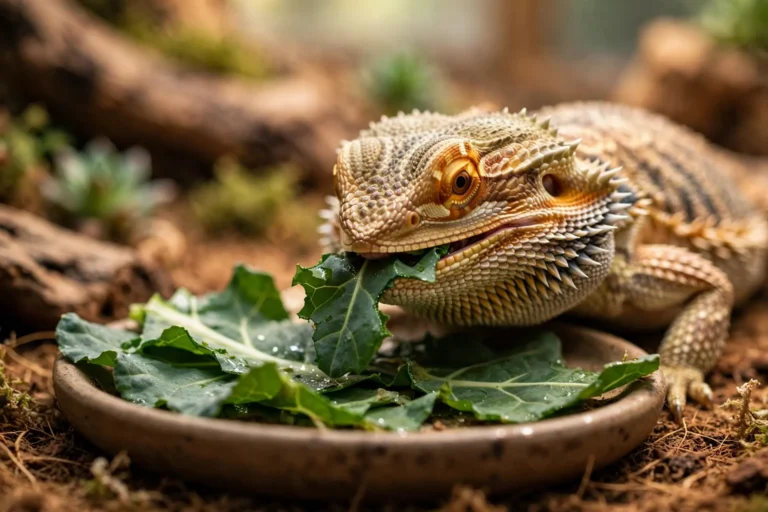
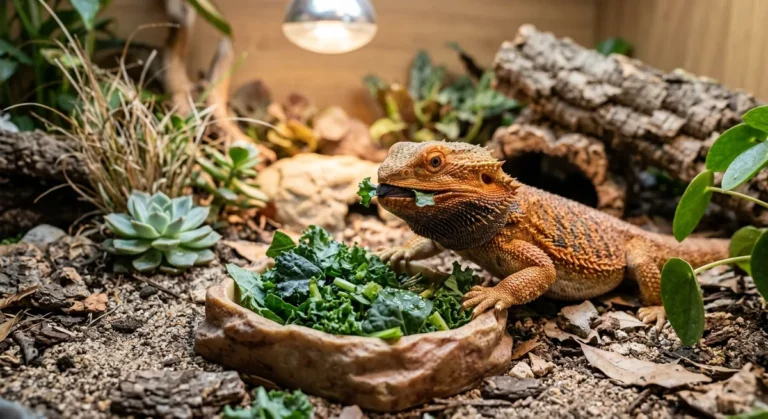
| Calcium-rich greens (the bulk) | Collard greens, mustard greens, turnip greens, dandelion greens/flowers, escarole, watercress, alfalfa | This is what actually fixes the insect’s terrible Ca:P ratio |
| Beta-carotene veg | Butternut squash, sweet potato, carrots | Vitamin A precursor; insects eat these enthusiastically |
| Hydration + extras | Papaya, bee pollen (sprinkled) | Moisture and micronutrients; papaya doubles as hydration |
Commercial gut-loads (Repashy Superload/Bug Burger, Mazuri Better Bug, Arcadia InsectFuel) are the low-effort path — formulated for exactly this job. Keeper opinion favors these over the older Fluker’s-style formulas, though the practical difference matters less than simply doing the 48-hour window consistently.
The avoid list (with reasons, not just rules)
| Food | Why it’s bad |
|---|---|
| Spinach | Oxalates bind calcium — you’re gut-loading against yourself |
| White potato | Nutritionally near-empty filler (note: sweet potato is excellent — don’t confuse them) |
| Iceberg lettuce | Crunchy water; displaces real food in the gut |
| Avocado, onion, garlic | Toxic or harmful to insects and/or dragons — never in the bin |
| Fish flakes / dog food as the bulk | Excess protein → uric acid buildup in feeders → gout risk in your dragon |
| Broccoli / cauliflower | Gas and goitrogen concerns in several keeper guides — skip it |
The potato distinction deserves emphasis because it trips people up: white potato = junk, sweet potato = great. Same word, opposite nutritional profiles. When a gut-load guide says “potato is worthless,” it means the white kind.
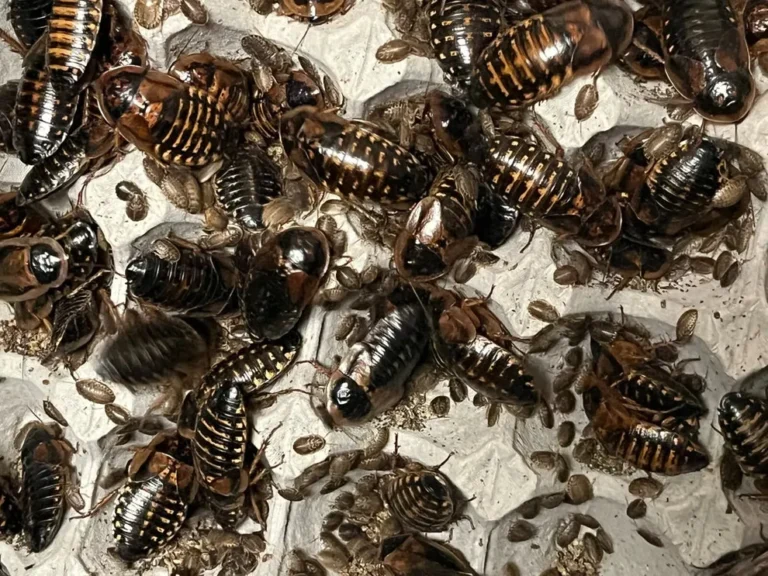
💡 Did you know? Dubia roaches are frugivores with preferences — they favor fruits, grains, and semi-sweet vegetables. But they’re also sensitive to acidity: coffee grounds, sometimes suggested as colony bedding, are toxic to them. Feed the species in front of you, not the generic “insect” — a dubia gut-load and a cricket gut-load can legitimately differ.
The citrus debate, honestly presented
No gut-load topic splits keepers like citrus. One camp (including some long-standing gut-load recipes) lists oranges as a good feeder food — and indeed, orange slices have kept cricket colonies hydrated for decades. The other camp points out that citrus acid stresses and can kill feeders, and that citrus is bad for bearded dragons directly, so residue on a feeder is unwelcome.
Both sides have a point. The practical middle: citrus is optional. Nothing in an orange does a job that collard greens and butternut squash don’t do better. If you’ve used orange slices for years with healthy feeders, you’re probably fine; if you’re building a gut-load from scratch, skip the controversy and use papaya for the fruit role instead.
Which feeders need it most
Not every feeder benefits equally. Crickets are the #1 priority — ungut-loaded they’re near-empty, gut-loaded they’re a solid staple; the swing is enormous. Dubia roaches and mealworms/superworms sit in the middle: decent base nutrition that gets meaningfully better with 48 hours of good greens. Black soldier fly larvae and silkworms arrive already nutritious, so gut-loading them is a smaller upgrade — still worth doing (fresh greens never hurt), but if you’re triaging effort, spend it on the crickets.
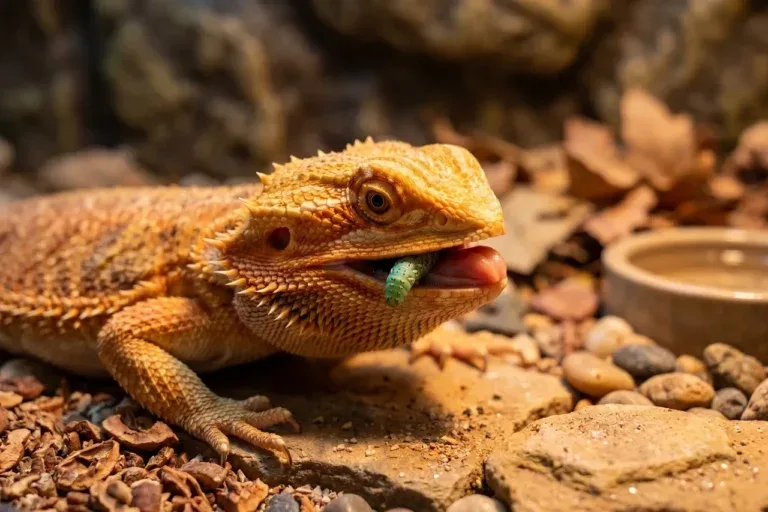
Hornworms are the exception: they arrive pre-fed on their proprietary chow and grow so fast that a gut-load window barely exists. Don’t overthink hornworms — they’re a hydration treat, not a nutrition project.
The weekly gut-loading routine
Make it a system, not a scramble:
- Two days before feeding day: move the insects you’ll feed (or upgrade the whole bin) onto the gut-load menu — calcium greens as the bulk, squash/sweet potato alongside.
- Keep it fresh: replace wilting greens daily. Rotting veg grows mold and bacteria you don’t want near feeders.
- Hydrate without drowning: insects get water from fresh veg; open water dishes drown crickets. Water crystals or juicy veg only.
- Feeding day: dust the gut-loaded insects lightly with calcium right before offering. Gut-loading and dusting stack — one fixes the inside, the other coats the outside.
- Colony maintenance between rounds: the rest of the colony lives on the cheaper maintenance diet. Only the pre-feeding batch gets the premium treatment.
💡 Did you know? Single-ingredient gut-loading is the most common half-measure: “I feed my crickets carrots.” Carrots are fine, but one ingredient can’t fix a Ca:P ratio — that takes calcium-rich greens as the bulk. A gut-load of five mediocre ingredients beats a gut-load of one good ingredient. Diversity is the mechanism.
Gut-loading questions, answered
Can I gut-load with dry food only?
Partially. Commercial dry gut-loads (Repashy, Mazuri, Arcadia) are formulated to work, and plain rolled oats make a fine dry carrier in small amounts. But fresh calcium-rich greens are what actually moves the Ca:P needle — dry-only is better than nothing, fresh greens are better than dry-only.
Do I still need to dust if I gut-load well?
Yes. They do different jobs: gut-loading improves what’s inside the insect; dusting coats the outside with calcium at feeding time. The guides that recommend one as a replacement for the other are cutting corners. Do both — it takes 30 seconds.
How long can gut-loaded insects sit before feeding?
Feed them off within a day of the gut-load peak. Remember the 12–24 hour gut transit: every day past the window, the insect excretes more of what you put in. Don’t gut-load on Monday for a Friday feeding.
Is Fluker’s gut-load bad?
Not dangerous — just widely considered weak by experienced keepers, who favor Repashy, Mazuri, or Arcadia formulations. If Fluker’s is what you have, use it plus fresh greens rather than as the whole program.
Can I use the same gut-load for all my feeders?
Mostly yes — the greens + squash + hydration template works for crickets, dubias, and mealworms alike. The exception is species quirks: dubias prefer sweeter veg and hate acidity; hornworms arrive pre-fed on their chow. Adjust the template, don’t reinvent it.