11 Bearded Dragon Morphs, Explained in Plain English
“Morph” is the most misunderstood word in the bearded dragon hobby. New keepers use it to mean “color.” Breeders use it to mean genetics. Pet stores use it to mean “fancy and expensive.” All three are talking past each other — and it costs buyers money.
Here’s the plain-English version: a morph describes inherited physical traits — scale type, pattern, eye color, size — controlled by specific genes. Color (red, citrus, orange) is a separate thing, and color names vary wildly from breeder to breeder. A “blood red” from one breeder might be a “ruby” from another. The morph, though, is the morph: a hypo is a hypo everywhere.
Once you know the difference, the price tags start making sense.
Scale Morphs: The Body Types
These are the dominant-gene morphs — the ones that change how the dragon physically feels and looks at the structural level.
| Morph | What changes | Genetics |
|---|---|---|
| Classic / Normal | Wild-type: full spikes, classic pattern | No mutation |
| Leatherback | Smooth back; spikes only on sides and head; colors look more vivid | Dominant |
| Dunner | Scales point in irregular directions; chin scales face you head-on; often vertical striping | Dominant |
| Silkback (“Silkie”) | Completely scaleless, soft as silk | Homozygous leatherback |
Color and Pattern Morphs: The Recessive Visuals
These are the recessive genes — the ones that only show visually when a dragon inherits the gene from both parents. (A dragon carrying one copy is called “het,” short for heterozygous — it looks normal but can produce visual babies.)
| Morph | What you see | How to spot it |
|---|---|---|
| Hypomelanistic (Hypo) | Reduced dark pigment; pastel, washed-out look | Clear/white nails instead of black — the easiest ID in the hobby |
| Translucent (Trans) | See-through scales; babies often have bluish bellies | Solid black eyes, sometimes blue eyelids |
| Zero | Completely patternless; silver-grey (hypo zeros are paper white) | No pattern at all — just smooth color |
| Witblits | Patternless in muted, earthy tones | No markings; subtle solid coloration |
| Wero | Striking patternless combos | Zero + witblits genetics — check the paperwork |
| Paradox | Patches of translucent scales as white, purple, or blue spots | Random colored spots scattered over the body |
The One Size Morph: German Giant
German Giants are exactly what they sound like — dragons selectively bred for size, reportedly reaching up to 30 inches compared to the usual 16–24. The trade-off: they need a significantly larger enclosure, they’re genuinely hard to find, and size is difficult to verify before the animal is grown. Buy only from breeders who document lineage, because “German Giant” is one of the most abused labels in the hobby.
A 60-Second Genetics Primer
You don’t need a biology degree — just three terms:
- Dominant (leatherback, dunner): one copy of the gene shows visually. Breed a leatherback to a normal and roughly half the babies show it.
- Recessive (hypo, trans, zero, witblits): needs two copies to show. A “het hypo” looks normal but carries the gene.
- Combo morphs (wero, paradox, silkback): two or more morph genes stacked in one animal — which is why they’re rare and expensive.
This matters when you buy because a dragon labeled “het trans” is not a translucent dragon — it’s a normal-looking dragon carrying the gene. Unscrupulous sellers blur that line. Now you won’t be fooled.
How New Morphs Are Actually Made
No lab coats involved — just patience. A breeder spots an unusual-looking dragon (say, an exceptionally patternless one), breeds it, and watches the offspring. If the trait follows predictable inheritance across generations, it’s a proven genetic morph. If it doesn’t repeat, it was just a pretty individual.
Developing a stable new morph typically takes multiple generations of selective test breeding, which is why brand-new morphs debut expensive and drift down in price as more breeders work with them. The zero morph followed exactly this curve: eye-watering prices at launch, steadily more accessible a few years later. When you see a “new” morph at a premium price, you’re partly paying for those years of test breeding.
Morph Stacking: How Combos Work
The priciest dragons in the hobby aren’t single morphs — they’re stacks. Because each morph gene inherits independently, breeders can combine them:
- Hypo leatherback: pastel colors (hypo) on smooth skin (leatherback) — vivid, clean-looking animals.
- Trans zero: patternless silver with solid black eyes — striking contrast.
- Triple and quad combos (hypo + trans + leatherback, etc.) exist and command the highest prices in the hobby.
Here’s the practical catch for buyers: every gene you stack is another label to verify. A dragon sold as “hypo trans leatherback het zero” should come with paperwork or at least a breeder who can walk you through the pairing that produced it. If the genetics story doesn’t add up, the price shouldn’t either.
Do Morphs Affect Health or Personality?
The honest answer: mostly no, with two exceptions.
Personality is individual, not genetic — a hypo is no friendlier than a classic. Tameness comes from handling and husbandry, not morph.
Health is where it gets nuanced. Most morphs are purely cosmetic and carry no health baggage. The exceptions:
- Silkbacks have genuinely fragile skin and harder sheds — a real care difference, not just a look.
- Heavily line-bred color morphs (extreme reds, pure whites) come from smaller gene pools. Reputable breeders outcross to keep the lines healthy; careless ones don’t. This is another reason the breeder matters more than the morph.
There’s no bearded-dragon equivalent of the issues seen in some heavily inbred morphs of other species — but the principle holds: extreme looks from tiny gene pools deserve a skeptical buyer.
What Morphs Actually Cost
| Tier | Examples | Typical range |
|---|---|---|
| Budget | Classic, normal het lines | $40–$100 |
| Mid-range | Hypo, leatherback, dunner, single-gene trans | $100–$300 |
| Premium | Zero, witblits, vivid reds/oranges, double combos | $300–$800+ |
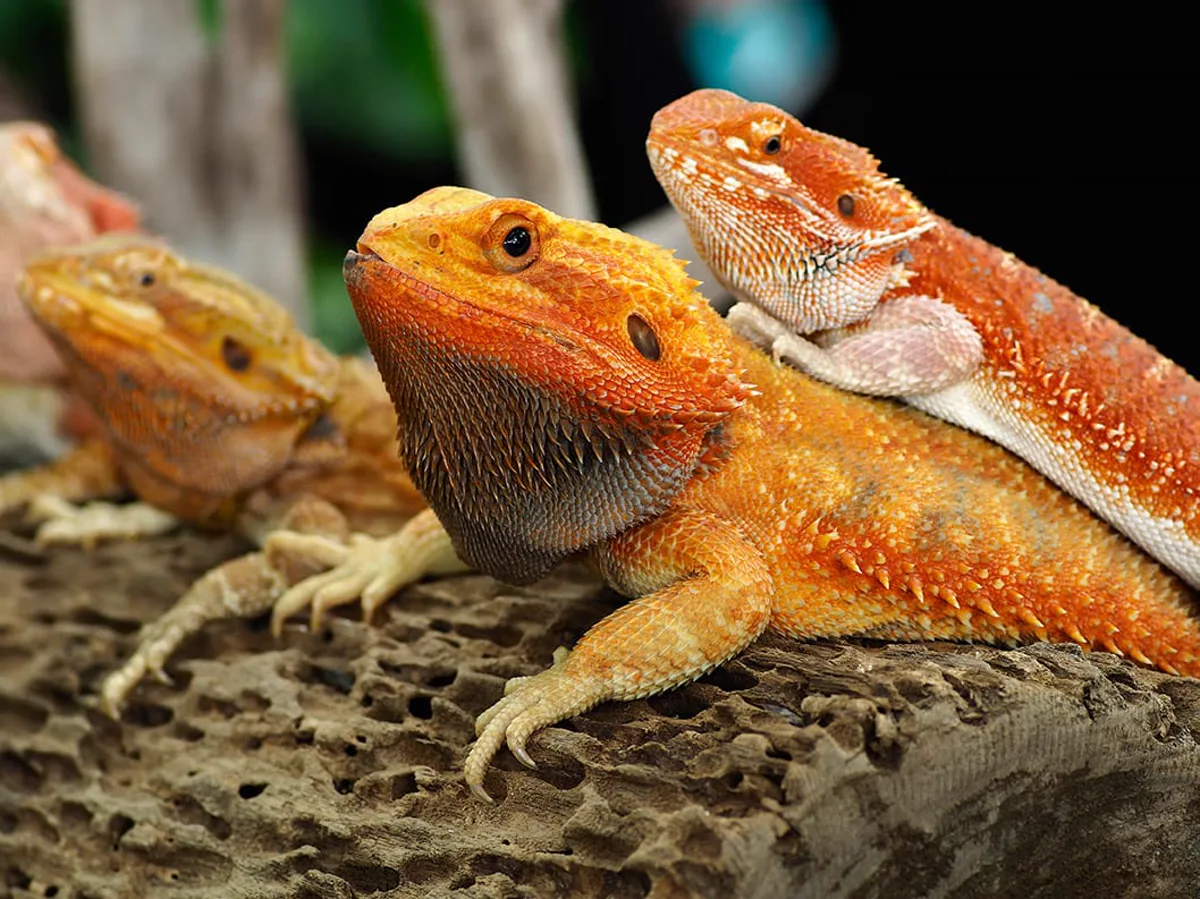
Saturated colors — deep reds, bright oranges, clean whites — command premiums within every tier, because selectively breeding intense color takes generations. But color intensity can fade or shift as a dragon grows, while morph genetics never change. If you’re choosing between a stunning color and a morph you actually want, pick the morph.
Which Morphs Suit Beginners?
Honestly? Almost all of them. Morph doesn’t change temperament — a hypo isn’t friendlier than a classic. What changes is care difficulty and price:
- Easiest starts: Classic, hypo, leatherback, dunner — standard care, reasonable prices.
- Fine with research: Trans, zero, witblits — standard care, just pricier.
- Think twice: Silkback — genuinely harder to keep; German Giant — needs oversized housing.
The Bottom Line
Morph is genetics; color is marketing. Learn to spot the difference — clear nails for hypo, black eyes for trans, scale direction for dunner — and you’ll never overpay for a label again. And remember the hierarchy that actually matters: healthy breeder animal first, morph second, color last.
Read next: Where to Buy a Bearded Dragon Without Getting Burned