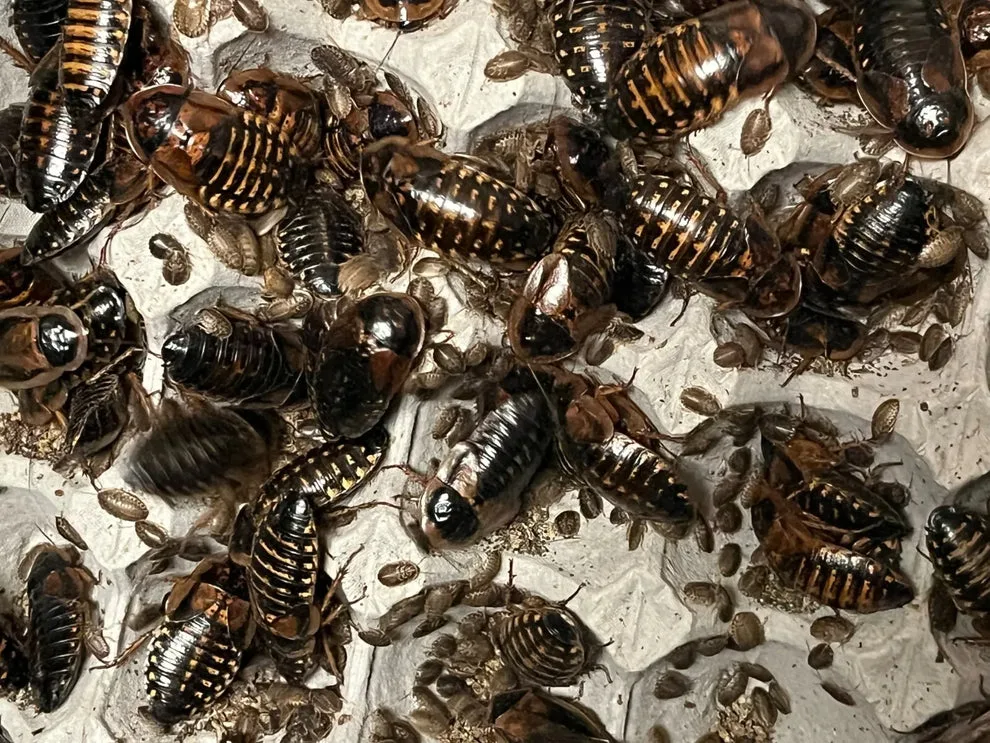
The Best Feeder Insects for Bearded Dragons, Compared
Walk into any reptile expo and you’ll see fifty tubs of wriggling protein, each seller swearing theirs is the best. The truth is less dramatic: there are three genuinely great staple feeders, a handful of useful treats, and a couple of popular options that are quietly terrible. The difference between them isn’t marketing — it’s protein, fat, calcium, and how much misery the colony causes you in your own home.
Pick what matters most to you below and get a ranked recommendation — or read the full comparison to understand why the rankings look the way they do.
The nutrition table that settles most arguments
Feeder debates get emotional; the numbers don’t care. Here’s the side-by-side that matters — protein, fat, and the calcium-to-phosphorus ratio. Remember that nutritional analyses vary between labs and batches, so treat these as ranges, not laboratory certainties.
| Feeder | Protein | Fat | Ca:P ratio | Verdict |
|---|---|---|---|---|
| Dubia roach nymphs | ~21% | 3–9% | Poor (needs dusting) | ⭐ Best all-round staple |
| Black soldier fly larvae | ~17% | 11–14% | 2.6:1 (excellent) | ⭐ Best calcium, great staple |
| Crickets | 15–18% | 3–7% | Poor (needs dusting + gut-load) | Good staple, annoying roommate |
| Silkworms | High | Low | Good | Excellent if you can afford/ship them |
| Hornworms | ~9% | 3–10% | ~1:3 (poor) | Hydration treat, not a calcium source |
| Superworms | Moderate | Higher | Poor | Treat/moderation; debated as staple |
| Mealworms | ~18% | ~9% | Poor | Treats only — hard chitin shell |
The Ca:P column is the one most keepers ignore and shouldn’t. A bearded dragon’s diet needs roughly twice as much calcium as phosphorus; most insects are phosphorus-heavy, which is exactly why dusting exists. Only black soldier fly larvae arrive with the ratio already right.
💡 Did you know? A cricket that hasn’t been gut-loaded has, in one reptile vet’s words, “little to no nutritional benefit.” You’re not feeding your dragon a cricket — you’re feeding it whatever the cricket ate in the last 24–48 hours. The insect is a delivery vehicle; the gut-load is the actual meal.
The big three staples, honestly assessed
Dubia roaches: the consensus pick
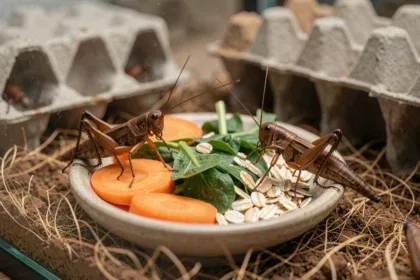
Dubias win on the combination: high protein (~21%), lean, hardy, and — crucially — pleasant to keep. They can’t climb smooth surfaces, can’t fly, don’t chirp, and barely smell. A colony in a tub with egg crates and vegetable scraps is essentially self-sustaining, which makes them the cheapest feeder long-term despite pricier starters. The downsides: they’re illegal in some places (Florida, parts of Canada and Australia restrict them — check local rules), and some dragons raised on frantic crickets initially ignore the slower-moving dubias.
Black soldier fly larvae: the calcium kings
BSFL (sold as Phoenix worms, NutriGrubs, or calcium worms) are the only common feeder with a genuinely good Ca:P ratio at 2.6:1. They’re soft, easy to store cool, and small enough for juveniles. The honest caveats: they’re fattier than dubias (11–14%), and seller claims that their calcium means you can skip dusting are marketing, not settled husbandry — reputable keepers still dust lightly. Think of them as the best undusted feeder, not a supplement replacement.
Crickets: the flawed workhorse
Crickets are cheap, available everywhere, and their frantic movement triggers feeding responses in picky dragons — real advantages. But they’re smelly, noisy, escape artists, and die in waves. Nutritionally they’re only worthwhile gut-loaded; ungut-loaded they’re near-empty calories. If you use crickets, commit to the gut-loading discipline or switch to dubias.
💡 Did you know? Common guidance says to rotate at least three staple feeders. It’s not about any single insect being deficient — it’s risk management. Different feeders have different amino acid profiles, fat levels, and micronutrients; rotation covers the gaps no single analysis captures. Monotony is the enemy, not any particular bug.
Treats with jobs to do
Treats aren’t junk — they have roles. The mistake is promoting them to staple.
| Treat | Its actual job | Limits |
|---|---|---|
| Hornworms | Hydration (85% moisture) + appetite stimulation for picky eaters | Not a calcium source despite seller claims; feed cultivated only — wild ones eat toxic nightshade |
| Silkworms | High nutrition, soft-bodied — the “if money were no object” staple | Price and availability; usually online-order only |
| Waxworms | Irresistible bribe for a dragon off its food | Very fatty — occasional only; heavy use risks liver strain |
| Butterworms | Variety and palatability | Fatty; occasional |
| Pinky mice | Protein/fat boost, breeding females | At most monthly; not a routine feeder |
The mealworm and superworm question
These two cause the most arguments in the hobby, so here’s the careful version.
Mealworms are treats-only, full stop: hard chitin exoskeletons, mediocre nutrition, and a real (if often exaggerated) impaction risk for small dragons. The extreme claim that mealworms “eat through stomachs” is an urban legend — stomach acid dissolves them fine. The moderate, true version is enough: tough shells, poor value, keep them occasional and never for babies.
Superworms are genuinely disputed. Parts of the keeper community use them as a staple for dragons over 16 inches; ReptiFiles classifies them as treats. Both sides agree on the facts: they’re larger, more active, and easier to digest than mealworms (less chitin, especially freshly shed ones), but fattier than dubias or crickets. If you use them heavily, portion control and gut-loading matter more, not less. Present-tense reality: they’re a fine rotation member for adult dragons; making them the entire diet is where the disagreement lives.
💡 Did you know? The “no bigger than the space between the eyes” size rule is about the hard parts. It bends for soft-bodied worms — a hornworm slightly wider than the eye gap is safer than a crunchy beetle exactly at the limit. Chitin, not width, is what the gut struggles with.
Rules that apply to every feeder
- Size it right: no longer/wider than the space between the dragon’s eyes (bendable for soft worms).
- Gut-load everything for 24–48+ hours before feeding — the insect’s last meals become your dragon’s meal.
- Dust lightly — even the good feeders. BSFL are the best undusted option, not a no-dust option.
- Never feed wild-caught insects. Pesticides, parasites, and naturally toxic species (boxelder bugs are one example) make the “free” bugs the most expensive mistake.
- Match the feeder to the dragon’s age: tiny staples (small dubias, BSFL) for babies; the full menu opens up as they grow.
Feeder questions, answered
Can I just feed one insect forever?
You can, and many keepers do (usually dubias) — but rotation is better. Three staples in rotation covers nutritional gaps no single feeder fills, and it keeps the dragon interested in food. Monotony also backfires if your colony crashes and the dragon refuses everything else.
Are dried or canned insects okay?
As emergency backup, not a diet. Processing destroys much of the nutritional value, and most dragons won’t recognize non-moving food as food anyway. Live feeders, gut-loaded, are the standard for a reason.
My dragon only eats one type of insect. Help?
Common, especially with waxworm addicts (they’re the candy of the insect world). Cut the favorite to rare-treat status, offer the new feeder first when hungriest, and try movement tricks — tong-feeding, or letting dubias warm up so they move more. Hunger is a great motivator; a healthy dragon won’t starve itself over insect preference.
How many insects per feeding?
It depends on age — babies eat astonishing quantities (dozens of small feeders daily across several feedings), adults far fewer. The full age-based numbers are in our feeding schedule guide.
Should I breed my own dubias?
If you have more than one dragon or an adult eating heavily, yes — a colony pays for itself in months. One plastic tub, egg crates, vegetable scraps, and warmth: that’s the whole setup. Just check local legality first, since dubias are restricted in a few regions.