How to Breed Dubia Roaches for Your Bearded Dragon
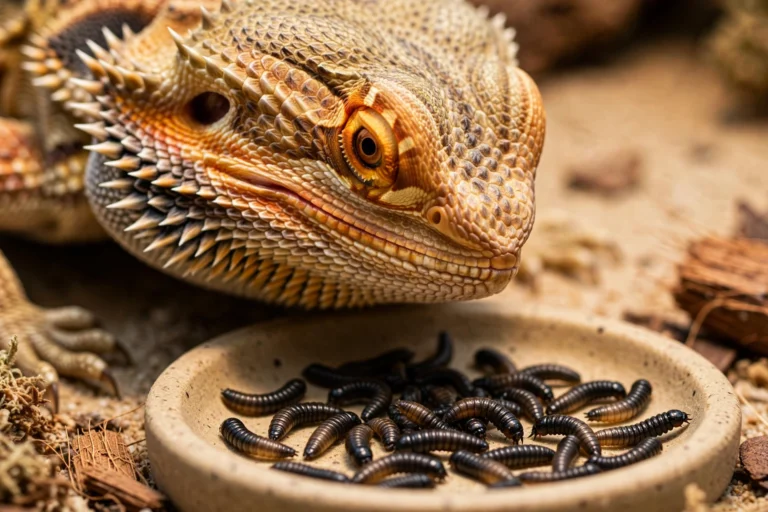
Feeder insects are the most expensive recurring cost in bearded dragon keeping — a growing juvenile can demolish $30–60 of dubia roaches a month. Breeding your own colony flips that equation: after a modest setup cost, your feeder bill drops to nearly zero, your insects are gut-loaded from birth on food you choose, and you never run out the night before a pet-store trip again.
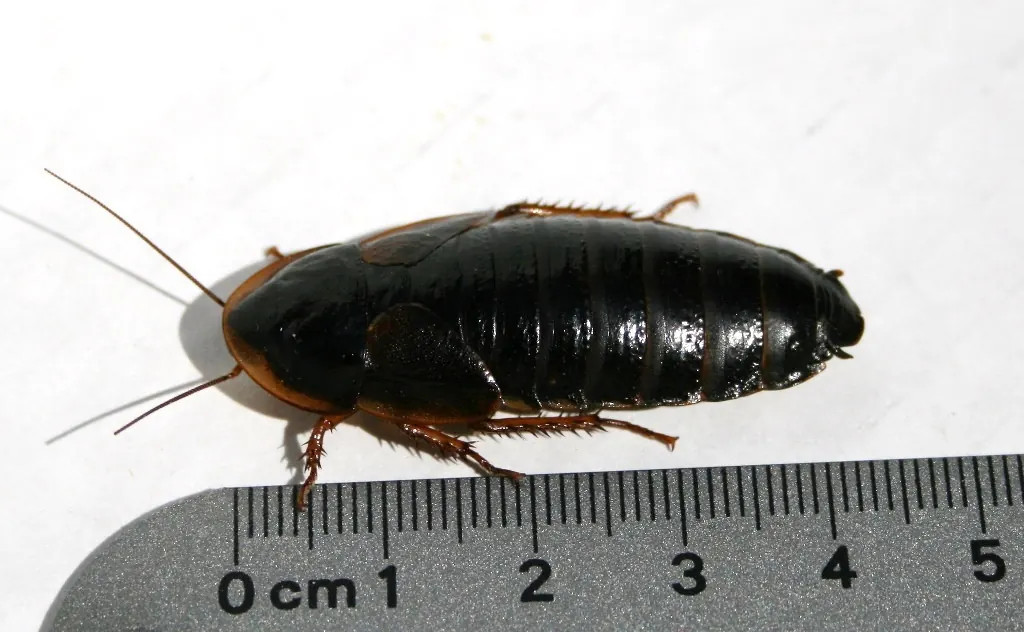
Dubia roaches are the ideal colony insect: they can’t climb smooth surfaces, don’t smell, don’t chirp, breed readily at the right temperature, and are among the most nutritious feeders available. This guide covers the cost math, everything you need, starter ratios, breeding temperatures, feeding the colony, the week-by-week timeline to your first harvest, and how to harvest without crashing the colony. Open the timeline below for the full launch plan.
Why Breed Dubias: The Cost Math
A juvenile bearded dragon eats 30–80 appropriately-sized dubias per day. At typical online prices ($25–35 per 500 small dubias), that’s $45–120/month during the fastest growth phase — often more than the electricity for the whole reptile room. An adult’s insect needs drop sharply, but you’re still buying.
A starter colony (100 females + 20 males) costs roughly $60–100, plus ~$40 for the bin, heat mat, thermostat, and egg crates. Total first cost: under $150. A productive colony then generates thousands of nymphs per year indefinitely. Break-even against buying typically lands in month 3–4 — after that, your feeder cost is essentially the price of carrots and roach chow. For anyone with one dragon, it’s a big win; for two or more, it’s a no-brainer.
What You Need
- Smooth-sided plastic tote, 18–30 gallons. Smooth walls are the containment system — dubias can’t climb them. Avoid textured bins.
- Ventilated lid. Cut a large panel and glue fine metal mesh over it. Colonies need airflow; sealed bins grow mold.
- Egg-crate flats, stacked vertically. Vertical orientation lets frass fall through and gives roaches maximum surface area. Cardboard only — never styrofoam.
- Under-tank heat mat + thermostat. Non-negotiable: unregulated heat mats cook colonies. Target 85–95°F on the warm end.
- Water crystals (not a water dish — nymphs drown in open water).
- Dry roach chow + fresh vegetables. Quality in, quality out: you’re gut-loading every insect your dragon will ever eat.
Colony Starter Ratios
The standard breeding ratio is 5 females to 1 male. Females are the production bottleneck — every female you add is ~30 nymphs/month of capacity; extra males mostly just eat and fight. Sensible starter sizes:
- 1 dragon: 50–100 females + 10–20 males
- 2–3 dragons: 150–200 females + 30–40 males
Buy from a reputable feeder breeder, not a pet store cup of “large dubias” (often mostly males). And start the colony before you need it — the 3–4 month lead time is the whole game, which is why the timeline above starts now, not when the feeder budget hurts.
Temperature and Humidity for Breeding
Dubias breed on heat. Keep the warm end at 85–95°F; breeding slows dramatically below 80°F and stalls near room temperature. The cool end can sit at room temp — the gradient lets roaches self-regulate, and you’ll notice the breeders cluster on the warm side. Humidity is forgiving: normal room humidity plus the moisture from fresh vegetables is plenty. If your home is extremely dry, a lightly damp paper towel corner (changed often) helps; avoid misting the bin directly, which invites mold in the frass.
Feeding Your Colony: Gut-Loading From Day One
Here’s the underappreciated superpower of breeding: every insect your dragon eats was raised on your food. Feed the colony like it matters, because it becomes your dragon’s nutrition:
- Dry base: quality roach chow or ground whole grains — always available.
- Fresh vegetables: carrots, sweet potato, squash, leafy greens. These are the gut-load that transfers to your dragon.
- Occasional fruit: oranges and apples — breeding females especially go for citrus.
- Always: water crystals, refreshed before they dry out.
- Never: moldy food (remove promptly), meat/dairy, or pesticide-treated produce.
Our safe foods guide doubles as a colony grocery list — what’s safe for the dragon is safe for the roaches.
The Breeding Timeline: When to Expect Babies
Females gestate internally for roughly 60 days, then give live birth to 20–40 nymphs. If your starter stock arrives healthy, expect the first nymph wave around weeks 8–12, ramping to full production by month 4–6. The timeline widget at the top of this article lays out exactly what to do each phase — the critical discipline is not harvesting during months 1–3. Every nymph you leave in the bin is a future breeder compounding your production.
Harvesting Without Crashing the Colony
Once production is rolling, harvest with two rules. Rule one: take nymphs sized for your dragon (no wider than the space between its eyes), plus surplus adult males — never harvest breeding females faster than they replace themselves. Rule two: never take more than about a quarter of the visible colony in a week. Shake egg crates over a separate bin to sort sizes, pick what you need, and return the rest. A colony harvested sustainably lasts years; the original breeders live 1–2 years and their daughters seamlessly take over.
Smell, Noise, and Escape Concerns — Debunked
Smell: minimal with basic maintenance, as covered above. Noise: zero — dubias don’t chirp (one more advantage over crickets). Escapes: dubias can’t climb smooth plastic or glass, can’t fly, and die quickly in dry home conditions. The realistic escape risk is essentially nil with a lidded smooth tote — keep the lid on during maintenance and you’ll never chase a roach across the kitchen. Compared to crickets, which escape, stink, chirp, bite, and die constantly, dubias are the colony insect for people who value their sanity.
Troubleshooting: Colony Problems and Fixes
| Problem | Likely cause | Fix |
|---|---|---|
| Die-off (dead adults) | Overheating, pesticide exposure, old age wave | Verify thermostat (under 95°F), switch to organic produce, remove dead promptly |
| Mold in the bin | Too much moisture, poor ventilation, rotting food | Enlarge vent panel, remove wet food daily, reduce misting to zero |
| Grain mites | Damp chow, high humidity | Dry the bin out for a week, replace all dry food, wipe bin edges |
| Slow / no breeding | Too cold, too few females, stress | Confirm 85–95°F warm side, check 5:1 ratio, leave the bin alone |
| Foul smell | Rotting food or saturated frass | Full clean-out, sift frass, feed only what gets eaten in 24h |
Most colony crises trace back to three things: temperature wrong, moisture wrong, or food rotting. Fix the environment and dubias — famously hardy — recover fast. One hard rule: never use pesticides anywhere near the colony, including ant sprays in the same room. What’s a mild irritant to you is an extinction event to 500 roaches.