The Reptile Expo Buying Guide for Bearded Dragons
A reptile expo is the best place most people will ever buy a bearded dragon — rows of breeders, animals you can inspect in person, and prices that beat pet stores. It’s also overwhelming: loud halls, impulse-buy tables, and vendors ranging from dedicated breeders to box-flippers. The difference between a great expo purchase and a regret is preparation. Work through the expo-day checklist below before you go, then read the full guide to health scans, vendor vetting, and red flags.
Why expos beat pet stores (and when they don’t)
At an expo you’re usually buying from the person who hatched the animal: they know the hatch date, the genetics, what it’s eating, and its health history. Pet stores buy from wholesalers, and the staff often can’t tell you any of that. Expo prices are typically 20–40% lower than pet stores for comparable animals, and the selection — morphs, ages, breeders to compare — is unmatched.
The exception: a genuinely good local reptile shop with knowledgeable staff and clean enclosures can beat a bad expo vendor. And expos have their own risks — impulse buying under time pressure, and the occasional flipper table reselling wholesale animals at “breeder” prices. The checklist and vetting below neutralize both.
Before you go: research vendors, bring a carrier
Most expos publish a vendor list in advance. Spend twenty minutes on it: google the breeder names, check reptile-community reviews, and shortlist three to five with solid reputations. Having a shortlist prevents the aimless wandering that ends in impulse buys.
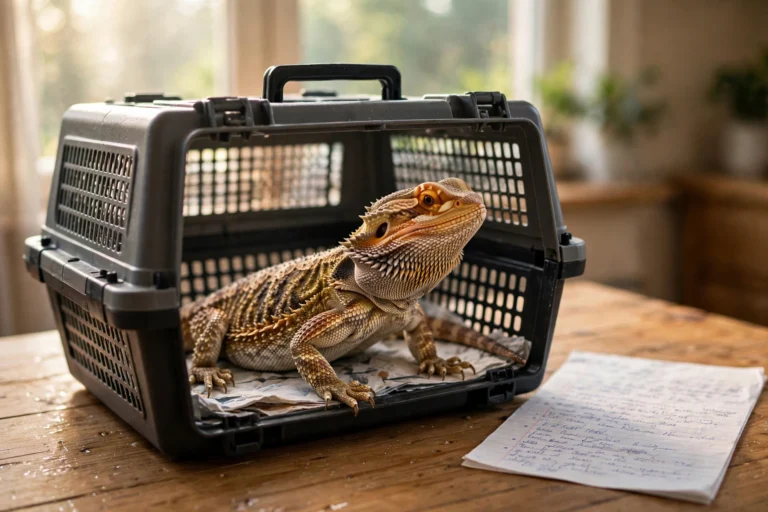
Bring a proper carrier — a small ventilated plastic tub with a locking lid works for juveniles; line it with a paper towel. If it’s under 70°F outside, bring a heat pack (the 40-hour shipping-warmers type, wrapped in a towel so the dragon can’t touch it directly). And set a budget before you walk in, including a small buffer — expo halls are engineered to separate you from your money.
💡 Did you know
The best time to buy at an expo is often the first hour of the first day — the widest selection — or the last hour of the last day, when some vendors discount rather than pack animals back up. Mid-day Saturday is the worst of both worlds: picked over and full price.
The 30-second health scan
You can assess a lot in half a minute if you know the sequence — it’s the same scan in the checklist widget above:
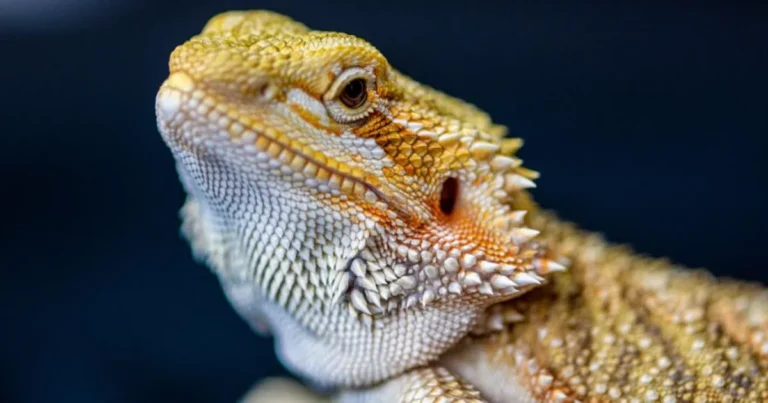
- Eyes: clear, bright, fully open. Discharge, crusting, or a sunken look are walk-away signs.
- Limbs: all toes present, legs straight, no trembling when it moves. Missing toe tips from baby-bin nips are cosmetic; tremors are not.
- Vent: clean and dry. Stuck feces, swelling, or prolapse tissue are immediate red flags.
- Body condition: thick tail base, no prominent hip bones, no visible wounds or retained shed bands.
- Behavior: alert, tracks movement, reacts to being picked up. A baby that lies completely limp is either very cold or very sick — either way, not yours to gamble on.
Ask to handle the animal before committing. A breeder who won’t let you hold a dragon you’re about to buy is telling you something. For the deeper version of this assessment, read How to Pick a Healthy Bearded Dragon before expo day.
Inspecting the vendor’s tables
The animals are only half the inspection — the table tells you how the breeder operates. Look for: clean enclosures (not smeared with old feces), appropriate temperatures (a heat source visible, not a cold tub), reasonable stocking density (babies shouldn’t be piled on each other), and fresh water available. Ask what the babies are eating right now; “whatever” is an answer that should worry you.
Also note how the vendor handles the animals — gentle and confident is good; grabbing, squeezing, or letting kids toss babies around is not. You’re evaluating a long-term relationship as much as a single animal: the best breeders answer questions after the sale too.
Questions to ask every breeder
Five questions separate serious breeders from flippers:
- When did it hatch, and what morph/genetics is it? — a breeder knows; a flipper guesses.
- What is it eating, and how often? — you need this to continue the diet seamlessly at home.
- Has it seen a vet / had a fecal test? — not every breeder vets every baby, but the good ones test their colony.
- What setup do you recommend for it? — the answer reveals their husbandry standards instantly.
- Do you offer any health guarantee, and can I contact you with questions? — even a short guarantee signals confidence; a refusal to be reachable afterward signals the opposite.
For the full interrogation — ten questions that expose bad breeders fast — see our guide to buying a bearded dragon without getting burned.
🔍 Myth vs reality
Myth: “Expo dragons are always healthier than pet-store dragons.” Reality: Expos concentrate both the best breeders and the worst flippers in one hall. The venue doesn’t guarantee quality — your vetting does. A great pet store beats a bad expo table every time.
Red flags: walk away when you see these
No bargain is worth a sick animal. Walk away from any table showing:
- Multiple animals with discharge, lethargy, or visible injuries in the same tubs
- Vendor can’t answer basic questions (hatch date, diet, morph)
- High-pressure tactics — “someone else wants this one,” “expo-only price if you decide now”
- Animals priced far below every other table (sick, wild-caught mislabeled, or stolen)
- No contact info offered, cash-only with no receipt, won’t put anything in writing
- Babies that look freshly imported, dehydrated, or cold with no heat source
Trust the unease. There will be another expo, another breeder, another dragon. There is no discount worth starting your reptile-keeping journey with a vet emergency.
Price expectations at expos
Rough 2026 expo ranges: normal/wild-type juveniles $40–80, common morphs (leatherback, hypo, translucent) $100–250, high-end morphs (zero, witblits, paradox) $300–800+. Babies cost less than started juveniles; proven breeders cost more than unsexed babies. Prices vary by region and season — spring (breeding season output) is usually cheapest.
Remember the animal is the cheap part. Budget the full first-year cost — tank, lighting, heating, feeders — before you fall in love with a $500 morph. The dragon is a 10–15 year commitment; the purchase price is a footnote.
📊 Stat
A basic wild-type bearded dragon at an expo typically runs $40–80 — often half the pet-store price for the same animal. But the real expo savings are in the package: many breeders throw in feeding records, care sheets, and lifetime advice you’d never get from a chain store.
Getting your dragon home safely
The purchase isn’t complete until the dragon is home and warm. Transport in the carrier — never loose in the car, never in a pocket. In cool weather, activate the heat pack before you leave the hall. Go straight home; every extra stop is temperature risk and stress for an animal that’s already had an eventful day.
At home, place the carrier inside the pre-heated tank, open it, and let the dragon come out on its own. Have water available immediately and offer food the next day, not the same evening. Then give it space — no handling beyond necessity for the first several days while it settles. The expo was exciting enough.
What to read next
- How to Pick a Healthy Bearded Dragon — the full health assessment, in depth.
- Where to Buy a Bearded Dragon Without Getting Burned — vetting sellers beyond the expo hall.
- 11 Bearded Dragon Morphs, Explained in Plain English — know what you’re looking at on the tables.