5 Treat Insects Your Bearded Dragon Will Go Crazy For
Dubias and black soldier fly larvae pay the bills — they’re the nutritious staples. But any dragon fed the same two insects for a year is missing out, and any owner who’s watched their dragon’s eyes lock onto a fat blue hornworm knows the pure joy of treat day. Treat insects are the enrichment, hydration, and bribery tools of the feeder world: too rich or unbalanced for daily use, perfect in rotation.
This guide covers the 80/20 rule that keeps treats healthy, profiles the five best treat insects — hornworms, silkworms, black soldier fly larvae, butterworms, and waxworms — with honest nutrition notes, flags the ones to limit, and gives you a treat feeding schedule. Use the picker below to match insects to your goal.
Staples vs Treats: The 80/20 Rule
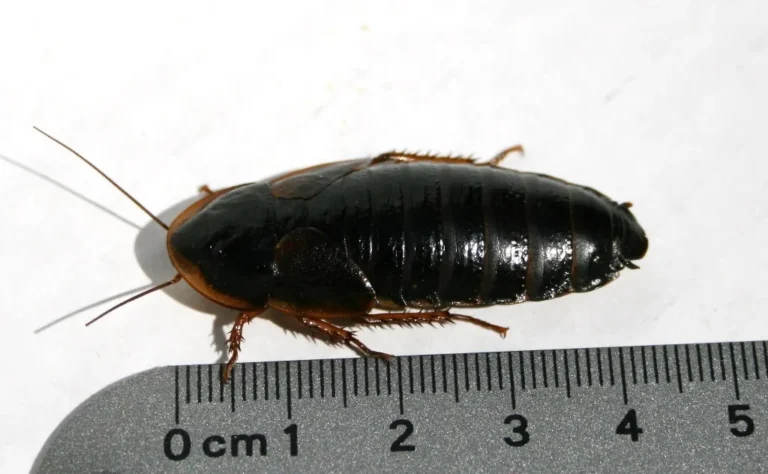
Think of your dragon’s insect diet like your own: staples are the balanced meals, treats are dessert. Roughly 80% of feeder insects should be nutritious staples — dubia roaches, black soldier fly larvae, silkworms, crickets — and 20% can be treats: hornworms, butterworms, waxworms. The staples deliver the protein-to-fat ratio and calcium balance your dragon lives on; the treats deliver joy, hydration, variety, and the occasional appetite rescue.
Where owners go wrong is letting the ratio flip — usually because the dragon prefers the treats (of course it does) and the owner caves. A dragon holding out for waxworms is a dragon training its owner. Keep treats on a schedule, not on demand.
Hornworms: Hydration Bombs
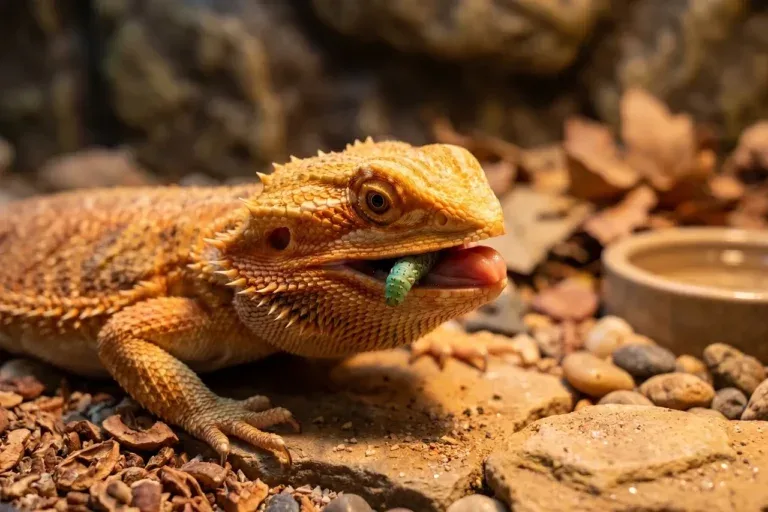
The bright blue-green caterpillars (tobacco hornworms, Manduca sexta) are the supermodels of the treat world: huge, juicy, vividly colored, and utterly irresistible to dragons. Their movement triggers the hunting response hard — even picky eaters usually can’t resist.
Feeding: 2–4 per session, 1–2 times per week for adults. They’re low in fat but also modest in protein — pure excitement and hydration, not nutrition. Caution: only feed captive-bred hornworms raised on commercial chow. Wild hornworms eat tomato/tobacco plants (nightshades) and sequester the toxins — wild-caught hornworms are genuinely dangerous.
Silkworms: The Nutritious Almost-Staple
Silkworms are the treat that barely qualifies as a treat: soft-bodied, good protein, low fat, reasonable calcium, and easy to digest. Many keepers feed them as a rotating staple rather than a rare indulgence — several times a week is perfectly reasonable. The only reason they’re not a full staple is availability and cost; they’re pricier and more seasonal than dubias.
Feeding: a few per feeding, several times weekly. Excellent for juveniles (soft bodies = easy digestion) and for dragons recovering appetite.
Black Soldier Fly Larvae: Calcium-Rich and Easy
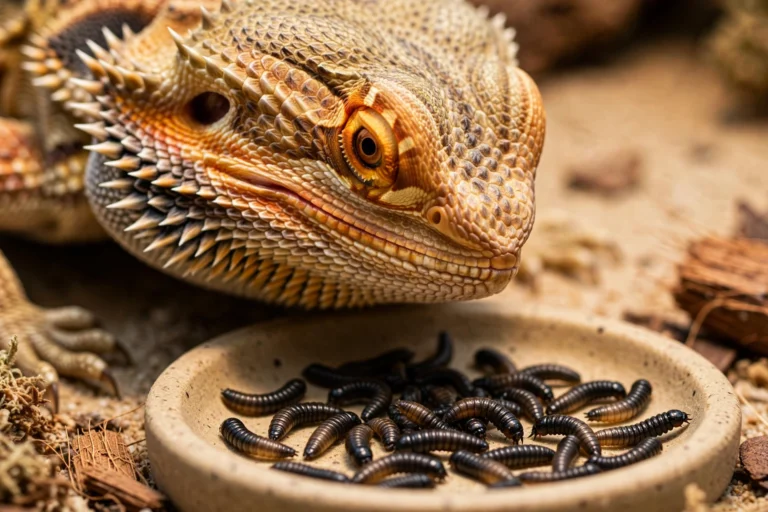
BSFL (often sold as calciworms or phoenix worms) are the overachievers: naturally high in calcium — the one feeder you genuinely don’t need to dust — with a good protein profile and zero maintenance (they arrive in their substrate, no feeding required). Their small size makes them perfect for babies and juveniles; adults can eat the large size.
Feeding: freely as part of the staple rotation. They’re one of the few insects where “more” doesn’t come with a catch.
Butterworms and Waxworms: Candy — Rare Only
These are the dessert menu, and the distinction matters:
- Butterworms: soft, strongly scented, and dragons go crazy for them. Moderate fat. Useful as an appetite kickstarter (1–2 to get a hunger strike moving), but not a dietary component — a few per month.
- Waxworms: very high in fat — true candy. A couple per month as enrichment, never more. Regular waxworm feeding is a straight road to obesity and fatty liver disease. The classic mistake: using them to “fatten up” a thin dragon, which trades one problem for a worse one.
Treat Insects to Limit
| Insect | The catch | Sensible limit |
|---|---|---|
| Mealworms | High chitin, poor Ca:P ratio; impaction risk for small juveniles | Occasional for adults only; avoid for babies |
| Superworms | High fat, can bite; too large for juveniles | Treat-level for adults; never for babies |
| Waxworms | Very high fat | 2–3 per month maximum |
| Wild-caught insects | Pesticides + parasites | Never — no exceptions |
The Treat Feeding Schedule
A practical weekly template for an adult dragon:
- Daily staples: dubias / BSFL / silkworms per the feeding schedule by age, plus fresh salad.
- 1–2× per week: hornworm session (2–4 worms) — hydration + excitement.
- 2–3× per week: silkworms mixed into the staple feeding.
- Monthly: butterworms or waxworms (2–3) as rare enrichment.
For juveniles, keep treats minimal — growing dragons need maximum nutrition density, and every treat insect displaces a more nutritious staple. Hornworms for hydration are the main exception.
Gut-Loading Treat Insects: Yes, It Matters for Them Too
Treats get gut-loaded just like staples — arguably it matters more, since treats are already nutritionally lopsided and every bit of bonus nutrition helps. The approach varies by insect: hornworms arrive with their chow cup and eat it continuously — don’t “upgrade” their food; the commercial chow is formulated for them. Silkworms need mulberry chow or fresh mulberry leaves (nothing else — they’re famously picky). Black soldier fly larvae arrive in their substrate and don’t need feeding before use. Butterworms and waxworms are typically fed minimally before sale; offer them within a few days of arrival rather than trying to maintain them. And the dusting rules still apply: calcium-dust treat insects exactly as you would staples (except BSFL, which don’t need it). A hornworm dusted with calcium is a treat pulling double duty.
Where to Buy Quality Treat Insects
Buy from dedicated feeder breeders (online), not bait shops or pet-store cups of unknown age. Look for: clear sizing, live-arrival guarantees, and feeders shipped with food (hornworms arrive with chow cups; silkworms with mulberry chow). Avoid any seller that can’t tell you what the insects were fed — you’re buying the gut-load as much as the insect. Store hornworms cool (not refrigerated) to slow their famously fast growth; a hornworm cup left warm becomes too large to feed within days.