Traveling With a Bearded Dragon Made Safe and Simple
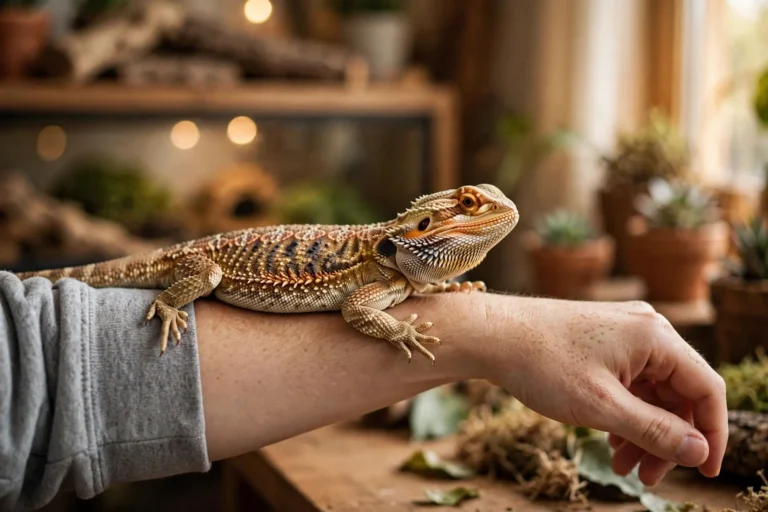
Traveling with a bearded dragon is not really about the miles. It is about heat. Your dragon is an ectotherm — every system in its body, from digestion to immunity, runs on external warmth. A carrier that slides below 65°F leaves a cold, lethargic animal that cannot digest; a carrier baking past 105°F in direct sun becomes a genuine emergency within minutes. Get the temperature right and the rest of the trip is just logistics.
This guide covers the carrier setup, the temperature rules that matter, car versus plane travel, and what to pack — plus an interactive trip heat planner below. Set your trip length and it tells you how many heat packs to bring, when to stop, and what to watch.
The Carrier: Small, Secure, and Boring
The ideal travel carrier is deliberately uneventful: a sturdy, well-ventilated container with a secure lid, just large enough for your dragon to stretch out and turn around — but not so roomy that it slides around on corners. A small plastic tub with air holes or a dedicated reptile carrier both work. Clear carriers look fun but can overheat in sun and overwhelm the animal with visual chaos; an opaque or towel-draped carrier is calmer.
Line it with paper towels or fleece for padding and easy cleanup — no loose substrate like sand, which can be ingested under stress. Add one familiar-smelling item, like a worn t-shirt; your scent genuinely comforts a habituated dragon. A few days before the trip, let your dragon spend short, positive sessions in the carrier so it reads as “safe hide” rather than “vet box” on travel day.
Temperature Rules That Actually Matter
Target 75–85°F inside the carrier, measured with a small digital thermometer placed inside the carrier — the dashboard reading lies, because sun through glass heats a carrier faster than it heats the cabin. In cool weather, reptile heat packs (or hand warmers) are the standard solution: always wrapped in a towel, never in direct contact with the dragon, and taped where they cannot shift onto the animal. For trips under two hours in mild weather, a pre-warmed car is often enough with no packs at all.
The two non-negotiables: never leave the dragon in a parked car — interior temperatures climb to dangerous levels in minutes, even with windows cracked — and keep the carrier out of direct sun through the glass, which can spike one side past 105°F while the cabin still feels fine. In genuine heat, shade the carrier and keep the car’s air conditioning moderate; cold air blasting directly on the carrier is its own problem.
The safe travel window: 75–85°F inside the carrier. Below 65°F a bearded dragon goes cold and lethargic and cannot digest properly; above 105°F in direct sun is a heat emergency that can develop within minutes.
Car vs. Plane: Different Trips, Different Rules
By car you control everything, which is why most keepers prefer it. Seatbelt the carrier so it cannot slide, drive smoothly, and keep the cabin calm — loud music and shouting spike stress. Plan checks every few hours on long drives: water, temperature reading, and a glance at behavior. A harness-trained dragon can stretch its legs safely at rest stops; an untrained one stays in the carrier, lid secured.
By plane the calculus changes. Airlines generally move reptiles as cargo, not carry-on, each with its own live-animal rules, fees, and seasonal embargoes — call the specific airline before you plan anything. Use a hard-sided, well-ventilated carrier that meets their size requirements, insulate it well, and include towel-wrapped heat packs for the hold. Confirm the airline’s temperature-control procedures for live animals, and have a backup plan: many keepers find a trusted sitter simpler than cargo for short trips. If you are traveling to acquire a dragon rather than with one, read where to buy a bearded dragon first — transport stress is one more reason to choose the seller carefully.
Myth: Cracking the car windows makes it safe to leave a bearded dragon in a parked car. Reality: Interior temperatures still climb to dangerous levels within minutes, even with windows cracked. If you would not leave a dog, do not leave a dragon — take the carrier with you or do not stop.
Food, Water, and the Packing List
Do not feed a full meal right before departure — a stressed dragon with a full stomach is a regurgitation risk. Pack pre-portioned familiar foods instead: greens in a small bag, feeder insects in a sealed container (pack more than you think you need; delays happen). On the road, offer small amounts of water at stops and mist lightly; many dragons refuse food entirely while traveling and resume eating once home, which is normal.
The packing list that covers nearly everything: the carrier, towel-wrapped heat packs, a digital thermometer, a small spray bottle, paper towels and bags for cleanup, pre-portioned food, and any medications. A worn t-shirt goes in the carrier. For overnight stays, call hotels ahead to confirm reptiles are allowed, and set up a temporary enclosure in the room with proper heating — a travel carrier is for transit, not for living in for days.
A t-shirt you have recently worn, placed inside the carrier, genuinely comforts a habituated bearded dragon. Familiar human scent signals safety — one of the cheapest stress-reducers in reptile travel.
Reading Your Dragon on the Road
A calm traveler sits alert but relaxed, eyes open, body settled into the carrier lining. Learn the two signals that mean “pull over and check”: frantic glass-surfing or clawing at the carrier walls, which usually means the temperature is wrong or the ride has become too chaotic — and sudden lethargy with eyes half-closed in a carrier that should be warm, which means check the thermometer immediately. A darkened beard during travel is common and usually just stress; it becomes a concern only if it persists for hours after arrival alongside lethargy or appetite loss.
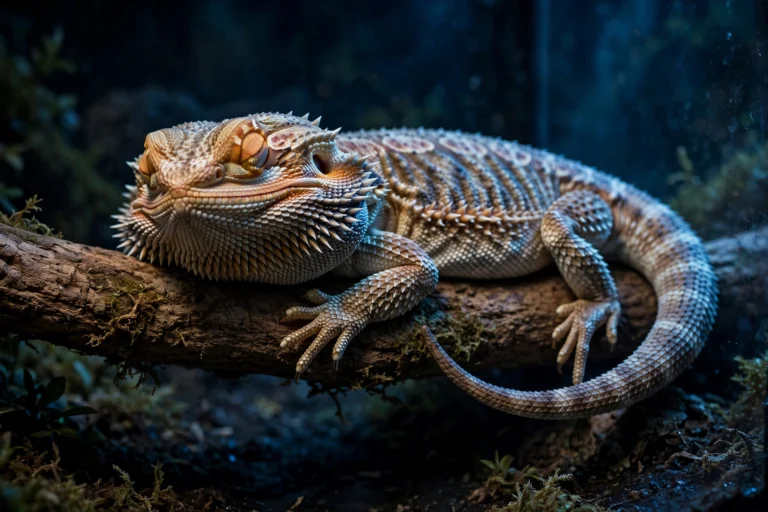
Most dragons travel best in dim, quiet conditions — drape a light towel over part of the carrier (never blocking all ventilation) to cut visual stimulation. Talk in a low voice rather than lifting the lid for reassurance; every lid-lift is a temperature reset and an escape opportunity. With the heat right and the ride smooth, many bearded dragons simply doze through the whole trip.
Arrival: Let the Thermostat Settle First
When you arrive, set up heat and lighting before anything else — the enclosure must be at proper temperatures before the dragon goes in, not after. Give the animal a quiet day to decompress: minimal handling, normal light cycle, fresh water, and food offered on the usual schedule. Watch for stress signals over the first 48 hours; a black beard or glass-surfing after a move usually fades as the new (or newly re-setup) territory starts smelling like home. If appetite does not return within a few days, or lethargy deepens instead of lifting, call a reptile vet rather than waiting it out.