Do Bearded Dragons Drink Water? A Hydration Guide
Yes — bearded dragons drink water. But rarely the way you expect. A new owner fills a water bowl, watches the dragon ignore it for a month, and concludes the animal must not need water. Then the dragon turns up with wrinkled skin and a stuck shed, and the owner is confused: the bowl was right there.
The disconnect is evolutionary. Bearded dragons come from the arid interior of Australia, where standing water is rare and unreliable. Wild dragons get most of their moisture from the insects and vegetation they eat, plus dew and raindrops they lick off surfaces. They are wired to notice moving water — droplets, drips, ripples — and to walk past a still bowl without registering it as drinkable. In captivity, that means hydration is your job, delivered through four channels: the bowl, misting, baths, and food. This guide covers all four, the dehydration signs to watch for, and the mistakes that quietly dry dragons out — plus an interactive checklist that builds your dragon’s personal hydration routine.
Why the Bowl Sits Untouched
It helps to see the bowl through your dragon’s eyes. In the wild, a still puddle in the desert is either a mirage or gone by noon — bearded dragons never evolved a strong “still water = drink” instinct. What triggers the drinking response is movement: a drip, a ripple, droplets beading on a leaf after rain. This is why so many keepers report their dragon ignoring the bowl for months, then lapping eagerly at water dripped onto its snout.
That does not make the bowl pointless. Keep it anyway — some dragons do learn to use it, especially if you draw attention to it by rippling the surface, and it is a backup on the days you are busy. But treat the bowl as one channel of four, not the hydration plan. If your dragon “won’t drink,” the honest translation is usually “won’t drink from a still bowl” — and the other three channels are where the real intake happens.
Myth: Bearded dragons are desert animals, so they barely need water. Reality: Desert-adapted means water-efficient, not water-free. Wild dragons harvest moisture from insects, vegetation, and dew — captivity removes all three, so you must replace them deliberately.
The Four Water Sources, Done Right
1. The bowl. Shallow, sturdy, and cleaned daily — dragons are notorious for defecating in their water, so “change daily” really means dump, scrub, refill. Keep it on the cool side: under the basking lamp the water evaporates fast and grows bacteria faster. For babies, keep the water level very low; even strong swimmers can tire, and drowning is a real risk for the smallest dragons.
2. Misting and droplets. The highest-yield habit for most keepers. A few light mists per week with lukewarm water — on the dragon, the walls, the decor — and most dragons will start licking within seconds. Dripping water directly onto the snout works even on stubborn individuals; they lick it off reflexively. Keep misting light rather than tropical: you are making dew, not rainforest. If your tank runs humid, our bearded dragon humidity guide explains how to balance misting against the 30–40% target.
3. Baths. A shallow lukewarm bath two to three times a week is the classic all-rounder: many dragons drink during the bath, it supports hydration, and it loosens shedding skin. Water at 85–92°F, depth around the elbows — never so deep the dragon must swim to keep its head up — and always supervised. Our full walkthrough of how often to bathe a bearded dragon covers timing, temperature checks, and drying.
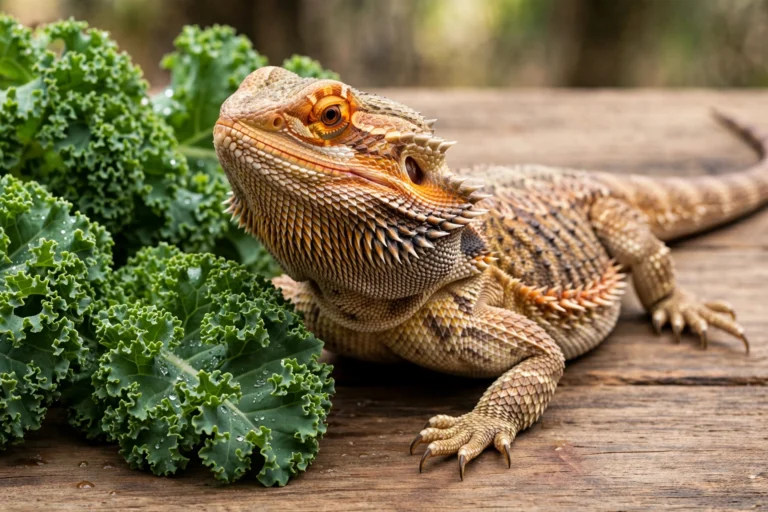
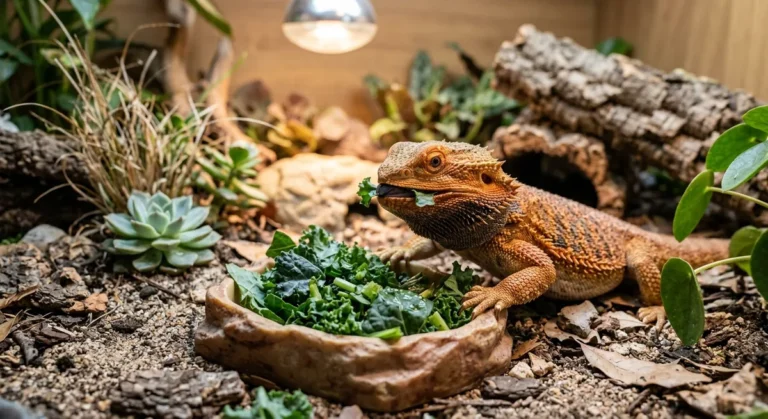
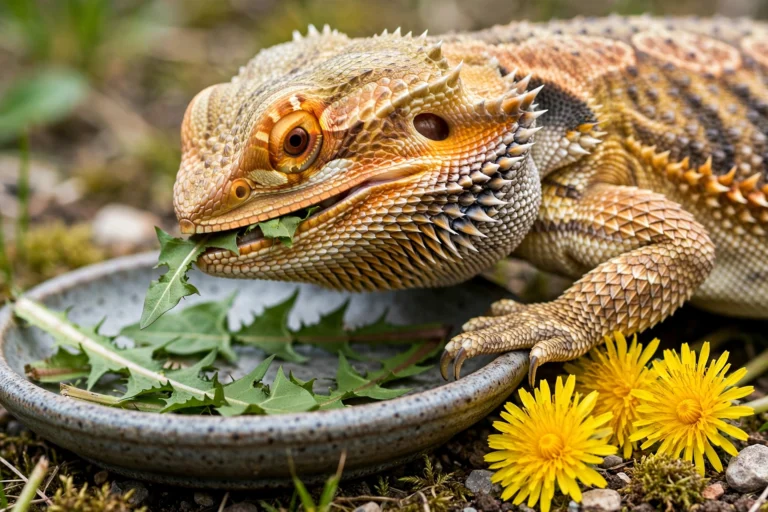
4. Food moisture. The quiet workhorse. Fresh greens every day contribute a surprising amount of water, and hydrating vegetables like cucumber and bell pepper add more. Gut-loading feeder insects on moist produce passes that hydration up the food chain, and hornworms — mostly water by weight — make excellent occasional hydrating treats. A dragon eating fresh greens daily starts every day already half-hydrated; one eating only dry pellets and mealworms starts at zero. If greens are a battle, see why your bearded dragon won’t eat greens.
The standard bath prescription: lukewarm water at 85–92°F, 2–3 times per week, shallow enough to stand in. Most keepers who adopt this schedule report better sheds and livelier dragons within a couple of weeks.
Signs Your Dragon Is Running Dry
Dehydration creeps up, so learn the early signs: wrinkled or puckered skin, especially along the flanks; skin that stays tented for a moment when gently pinched (the skin-elasticity check); sunken or tired-looking eyes; unusual lethargy; sticky or dry membranes inside the mouth; and hard, dry, or yellow-to-orange urate (the white part of the droppings should be white or only slightly off-white). Flaky skin and stuck sheds often ride along.
If you spot these signs, run through all four water sources immediately — offer drips on the snout, give a lukewarm bath, and check that fresh greens are actually being eaten. If the signs persist for more than a day or two despite your efforts, or the dragon is very lethargic, contact a reptile veterinarian: dehydration is treatable, but severe cases need professional support, not just a wetter week.
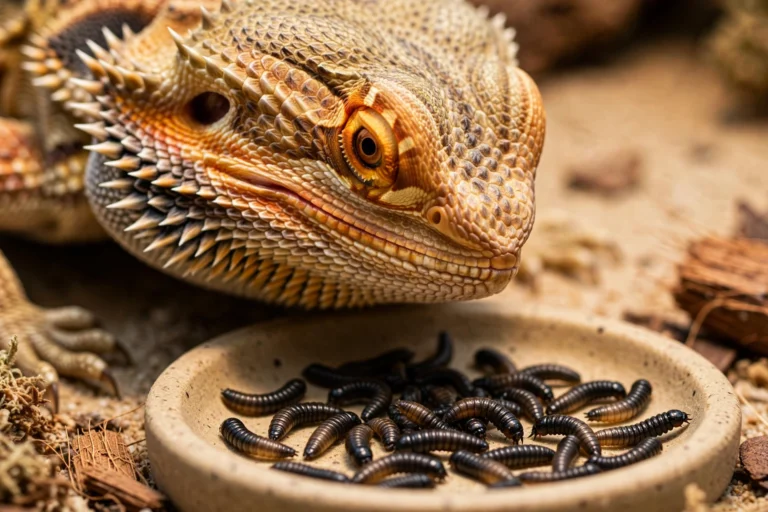
Hornworms are one of nature’s water bottles: these bright green caterpillars are extremely high in moisture, making them a genuinely useful occasional treat for a dragon that needs a hydration boost — not just a snack.
Water Mistakes That Dry Dragons Out
The most common errors are sins of omission and excess. Relying on the bowl alone is the big one — as this whole article argues, the bowl is the least effective channel for most dragons. Dirty bowls come next: a dragon will not drink from foul water, and a dish that gets topped up instead of scrubbed becomes a bacterial soup within days.
On the excess side: over-misting a poorly ventilated tank pushes humidity past the safe zone and invites respiratory trouble — mist lightly, and watch your hygrometer. And skip the reptile water fountains sold as “natural drinking solutions”: they are difficult to clean thoroughly and tend to harbor bacteria, making them worse than the simple dish they replace. Simple, clean, and multi-channel beats fancy every time.
Claim: “Bearded dragons absorb bath water through their skin, so soaking hydrates them.” Verdict: mostly misleading. Dragons do drink during baths, and some water is taken up through the vent — but the skin itself is a waterproof barrier. Baths help hydration because dragons drink in them, not because they soak it up.