Preparing Your Bearded Dragon for Brumation
Here’s the open secret about brumation: the sleep itself is the easy part. Your dragon does that on autopilot. The part where keepers actually determine whether brumation goes well or badly is the preparation — the two to three weeks before the long sleep begins. A dragon that enters brumation with a clean bill of health, an empty gut, and good fat reserves will almost always come out fine. A dragon that goes down with parasites, a full stomach, or marginal body condition is the one that runs into trouble.
Think of it as a pre-flight checklist. Run it properly and the flight takes care of itself. Enter your dragon’s expected brumation start date below and get a personalized prep schedule — then read the why behind each step.
Who should brumate — and who shouldn’t
Before any preparation begins, answer the gatekeeper question: should your dragon brumate at all? Brumation is for healthy adults. The working rule across reptile husbandry is at least 12 months old, ideally 18 months or more. Juveniles under a year should usually not brumate — their bodies are still growing fast, their immune systems are more vulnerable, and a months-long fast can compromise development. If a baby goes lethargic and stops eating, that’s a vet visit, not brumation management.
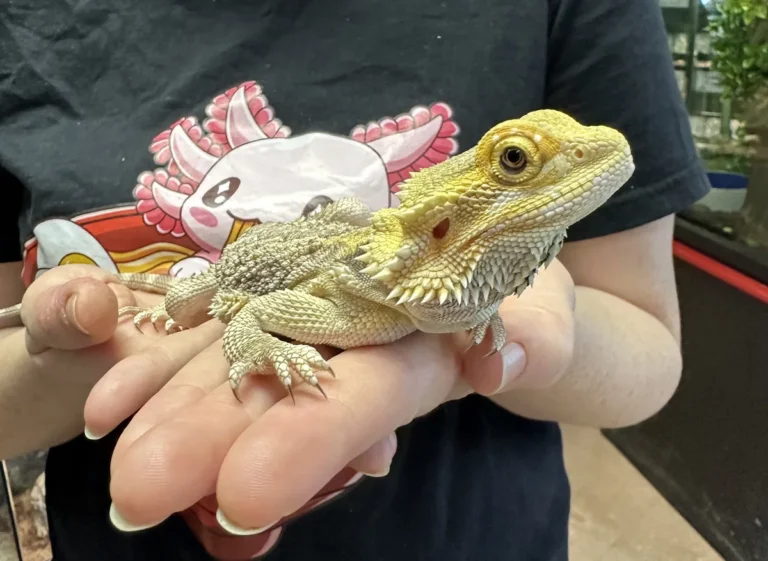
Health matters as much as age. A dragon heading into brumation should be in good body condition: noticeable but not excessive fat pads on the head, a rounded tail base, clear eyes, and normal activity for the season. Sick, weak, or underweight dragons should not brumate — they can lose condition rapidly during the sleep and, in bad cases, not wake up. Breeders typically wait until an animal’s second or third year before allowing a full winter cool-down, which tells you how conservative the experienced end of the hobby is about this.
If your dragon fails any of these gates, the plan isn’t “brumate anyway and hope.” It’s keep them up: steady 12–14 hour light cycle, full optimal temperatures, normal feeding. Many dragons maintained this way skip brumation entirely and do perfectly well. Brumation is something you allow, never something you impose.
The vet visit: non-negotiable
The single highest-value prep step is a reptile vet visit with a fecal parasite screening before brumation begins. Here’s why it matters so much: a low parasite load that a healthy, active dragon keeps in check can become dangerous during brumation, when the immune system slows down dramatically along with everything else. What’s manageable in October can be a crisis by January.
This is also the visit where hidden problems get caught — the mild respiratory issue you’d never notice, the weight trend that’s been drifting wrong, the mouth or vent issue hiding under normal behavior. The vet’s job here is to certify your dragon as fit for the sleep. If anything needs treatment, it gets treated now, with weeks of active-season recovery before brumation — not mid-winter when the dragon’s system can’t mount a proper response.
💡 Did you know? At brumation temperatures, a bearded dragon’s digestive enzymes effectively shut down. Any food remaining in the gut doesn’t sit in neutral storage — without heat-driven digestion, it putrefies, and the resulting bacterial load can make a sleeping dragon seriously ill from the inside out. The famous “empty stomach” rule isn’t fussiness; it’s the difference between dormancy and decay.
The 3-week wind-down
Everything about entering brumation should be gradual. In the wild, winter arrives over weeks — shortening days, cooling nights, dwindling insects. Your job is to mimic that slope, not to flip a switch. Sudden temperature or lighting drops can shock your dragon, stress the immune system, and in some cases cause real health consequences. The consensus approach: stretch the transition over two to three weeks.
Start by trimming the light cycle — about an hour shorter, then shorter again a week later — and easing the basking temperature down slightly. Simultaneously, reduce food the way nature does: fewer insects, then no insects, then smaller salads, then nothing. You’re simulating the seasonal scarcity that your dragon’s instincts expect. Most dragons cooperate with this process beautifully — their appetite fades on its own as the days “shorten,” and you’ll find yourself offering food to an animal that’s already mentally checked out for winter.
| When | Light & heat | Food | Your task |
|---|---|---|---|
| 3 weeks out | Begin shortening light cycle (~1 hr less); ease temps down slightly | Normal, then tapering | Vet visit + fecal; assess body condition |
| 2 weeks out | Shorten further | No more insects; greens continue | Warm soak; watch for fading appetite |
| 1 week out | Approaching brumation schedule | No food at all | Daily warm soaks; confirm final bowel movement |
| Start | Brumation schedule begins | Nothing | Baseline weight; fresh water; step back |
🔍 Fact check: “A healthy-looking dragon doesn’t need a fecal test before brumation.” False — and this is one of the costliest assumptions in the hobby. Parasite screens exist precisely because many infections are invisible: a dragon can look perfect while carrying a coccidia load that becomes dangerous once its immune system idles. The test is cheap; a mid-brumation crisis is not. If your dragon is brumating this year, the fecal exam is part of the ticket.
The empty-gut rule, in practice
Stop all food about two weeks before the intended brumation start. That’s the working rule — long enough for the digestive tract to fully clear at normal basking temperatures. During those two weeks, keep the heat available (digestion still needs warmth) and offer warm shallow soaks, which reliably stimulate bowel movements. What you’re waiting for is a complete, final bowel movement after food has stopped — that’s the all-clear.
If the final poop doesn’t come, don’t just hope for the best. Extend the pre-brumation window: keep offering soaks, keep the basking spot warm, and delay the light reduction until the gut is confirmed empty. A dragon that goes down with food still inside is the classic setup for the mid-winter emergency — and it’s entirely preventable with patience at this stage.
Setting the stage
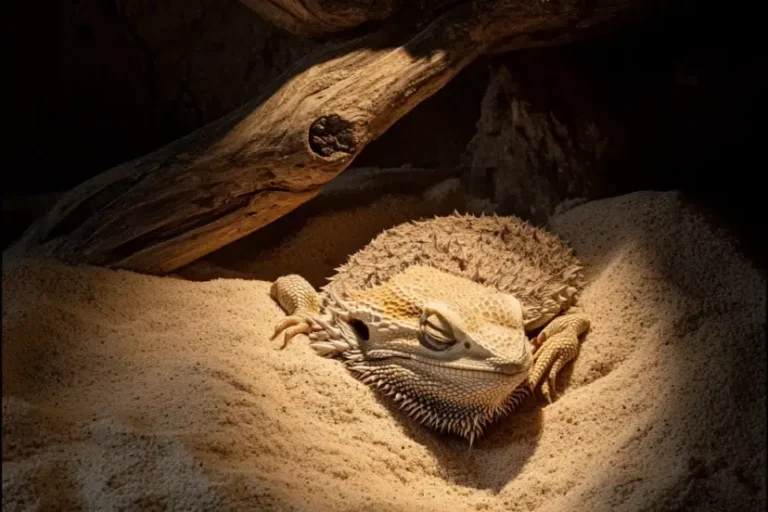
With the vet check done, the gut empty, and the lights winding down, the last jobs are environmental. Prepare the cool-side hide — a cave, wooden shelter, or covered corner where your dragon can settle undisturbed. Place a fresh, shallow water bowl in the enclosure (refresh it every few days all winter). Weigh and record the baseline weight — this single number is what every weekly check compares against, and it’s the earliest warning system you have.
Then step back. A well-prepared dragon entering brumation is one of the lowest-maintenance situations in reptile keeping: water, a hide, a weekly two-minute check. All the real work happened in these three weeks. That’s the point of the checklist — front-load the effort so the winter itself is uneventful.
Pre-brumation questions, answered
My dragon is 10 months old and slowing down. Can he brumate?
No — at 10 months, lethargy and appetite loss mean a vet visit, not brumation prep. The 12-month minimum exists because growing juveniles can’t safely fast for months. Keep his light cycle at 12–14 hours, temperatures optimal, and get him checked. If he’s genuinely healthy, he’ll brumate next year.
What if my dragon won’t poop before brumation?
Don’t proceed on schedule — delay the wind-down. Keep the basking spot at full temperature, offer daily warm shallow soaks, and wait for a complete bowel movement after food has stopped. Only move to the brumation light schedule once the gut is confirmed empty. Patience here prevents emergencies later.
Can I skip the vet visit if my dragon looks healthy?
Looking healthy isn’t a parasite screen. The whole point of the pre-brumation fecal exam is catching what’s invisible — low parasite loads that become dangerous when the immune system slows. It’s the cheapest insurance in this entire process. Book the visit.
Should I still offer salads during the wind-down?
Yes, until the final food cutoff about two weeks out — then nothing. The wind-down tapers food gradually (insects stop first, then salads shrink, then nothing), mimicking natural seasonal scarcity. After the cutoff, soaks replace salads as the gut-clearing tool.
My dragon started brumating suddenly with no prep. What now?
Don’t panic — support the situation as-is. Make sure the gut is as empty as possible (a warm soak now is still worthwhile), get a vet check scheduled promptly even mid-wind-down, keep water available, and run the weekly weight checks. Then do the full prep properly next year. An unprepared brumation deserves closer monitoring, not despair.