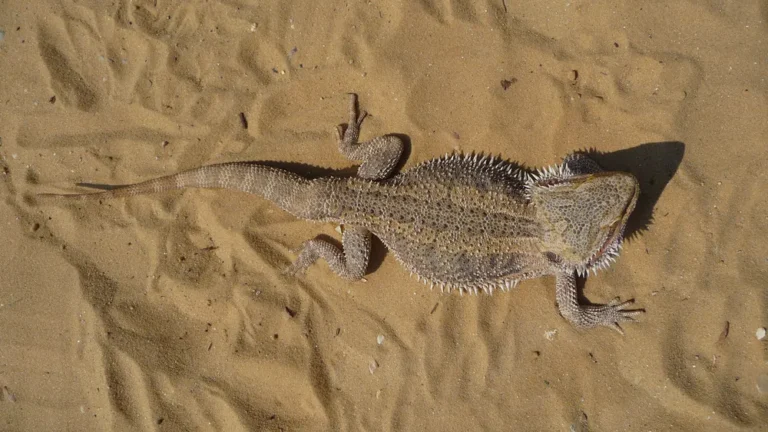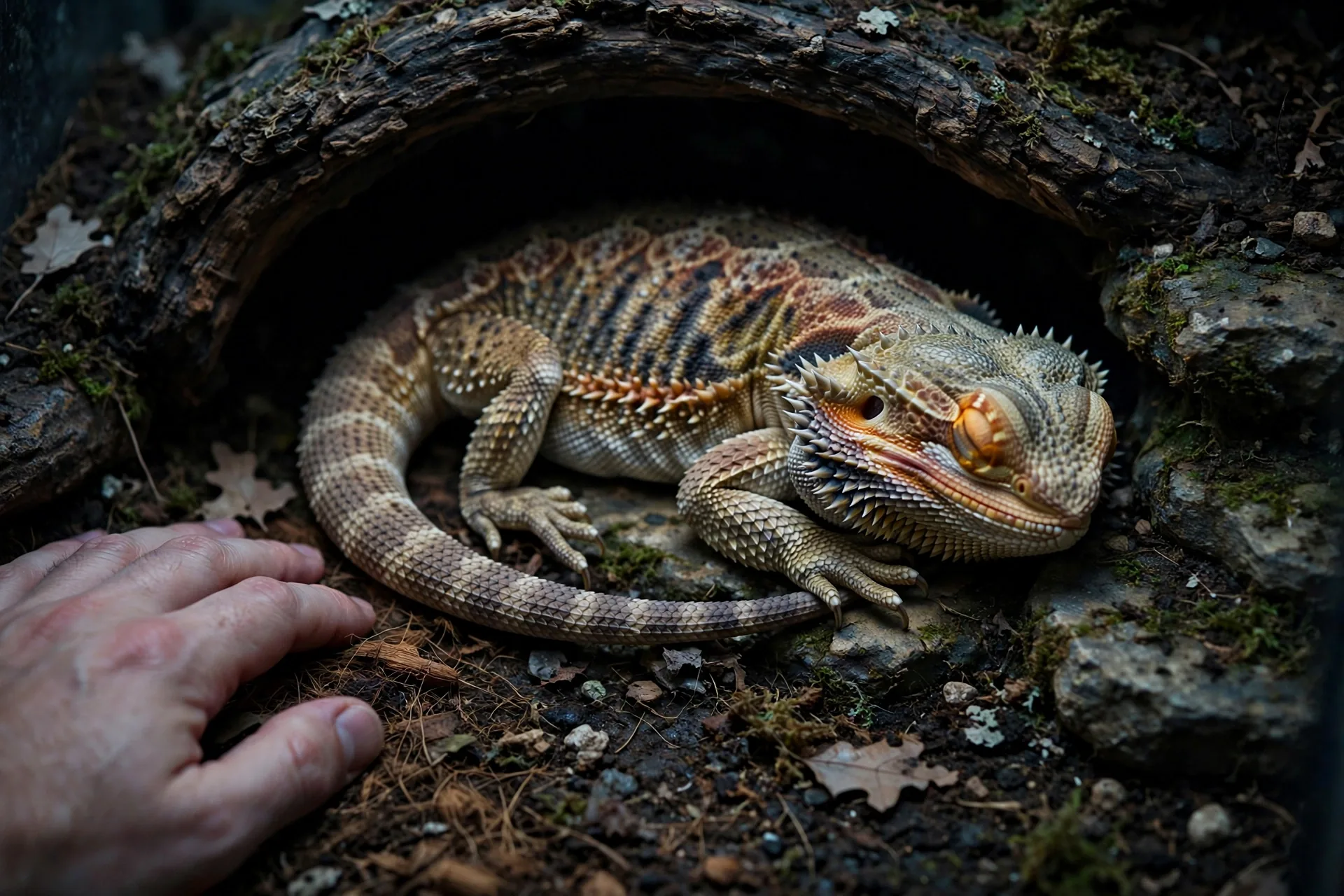
Should I Wake My Bearded Dragon From Brumation?
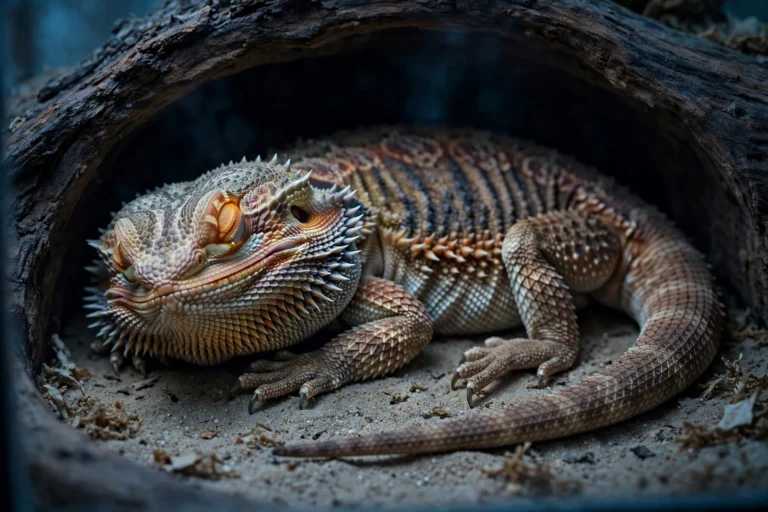
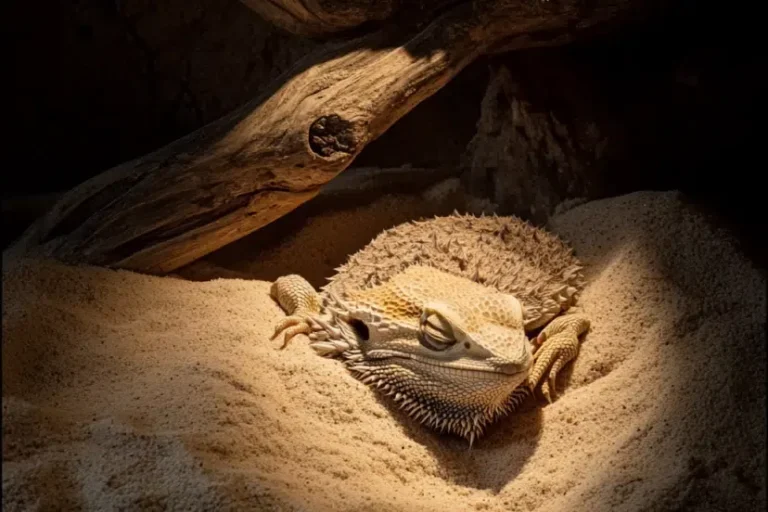
It has been six weeks. Your bearded dragon has not moved from the cool-side hide except to shift position, and has not eaten since October. Every time you peek in, your stomach knots tighter. Your hand hovers. Should you wake them? Just to check? Just to offer water? Just to be sure they are alive?
Every winter, this moment breaks keepers — especially first-timers. The answer most need to hear is the one they least want to: put your hand down and let them sleep. The exceptions are real but narrower than most people think. Below: the honest case for both sides of the debate, plus a decision helper for your dragon’s specific situation.
The short answer
Do not wake a brumating bearded dragon just to check on them or offer food. Waking a dragon deep in brumation causes stress with no payoff: the cycle is genuinely hard to stop once started, and warming the tank to force the issue usually just stresses a groggy animal. Your job is monitoring, not management — and proper monitoring answers “are they okay?” without a single wake-up.
“My dragon is wasting away in there — I should wake them to feed them.” Reality: waking a sleeping dragon to feed it does more harm than the missed meal. At brumation temperatures, digestive enzymes shut down — food in a cold gut does not digest, it decays, and the bacterial load can make a sleeping dragon seriously ill. The empty-stomach rule is the difference between dormancy and decay.
The case for letting them sleep
Start with what waking costs. A brumating dragon’s immune system slows dramatically — part of the design — which means a stressed, half-awake dragon is more vulnerable to illness, not less. Every time you lift the hide, handle them, or flip the lights on “just to see,” you spend energy they cannot easily replace.
There is also a practical problem: you probably cannot wake them properly anyway. Brumation is not a light switch — keepers who force it with extra heat and long light cycles usually end up with a groggy animal that neither fully wakes nor sleeps. The cycle ends on the dragon’s internal clock, not yours.
And the reassuring part: you do not need to wake them for water. Brumating dragons stay semi-aware — unlike hibernating mammals, they keep enough awareness to hydrate in brief waking windows. A dragon that needs a drink surfaces on its own, sips from the fresh bowl you keep refreshing, and goes back under.
A brumating dragon that surfaces for a drink and goes straight back to sleep is not “failing” at brumation — that is the design working as intended. Those brief, half-awake windows are when hydration happens.
The case for waking: three legitimate exceptions
Letting them sleep is the default, not a religion. Three situations genuinely override it — and two of the three end at the vet’s door, not with you shaking your dragon awake.
1. Weight loss crosses the line
Some weight loss is normal — that is the fat reserves doing their job. The line keepers and vets use is about 10% of the pre-brumation weight, lost gradually and then plateauing. Rapid loss, or a dragon that keeps dropping week after week, is a vet trigger — not a “wake them and feed” trigger, because force-feeding a cold, half-asleep dragon causes the gut-decay problem described above. This is why weighing during brumation is the highest-value thing you do all winter: the scale catches trouble weeks before your eyes would.
2. Illness signs appear
Brumation explains behavioral changes — sleeping, not eating, hiding. It does not explain physical changes: discharge from the eyes or nose, wheezing or open-mouth breathing, a persistently black beard, swollen limbs, or a body that is limp rather than merely sluggish. Those are illness signs wearing a brumation costume, and the “it’s probably just brumation” assumption has delayed treatment for many sick dragons. The move is not to wake your dragon — it is to call a reptile vet today. If you are unsure, run through is it brumation or illness and Why Is Your Bearded Dragon Lethargic? 9 Causes; when in doubt, the vet visit is always the right call.
3. The sleep runs extremely long
Typical brumations run 8–12 weeks, with healthy ones documented from under a month to over four months — duration alone is not a diagnosis. But deep, continuous sleep beyond four to five months deserves a professional opinion even if everything else looks fine: long brumations give low-grade problems (a manageable autumn parasite load, a slow dehydration trend) the most time to compound. Your vet — not a forum thread — should decide whether a managed wake-up is appropriate.
8–12 weeks is the most commonly cited brumation window — but documented healthy brumations range from under a month to over four months, and total weight loss should stay under about 10% of pre-brumation weight. There is no reliable average, because length is driven by the individual dragon’s internal signals. Monitor the weight, not the calendar.
One exception that traps new owners every year: juveniles under 12 months should not be “brumating” at all. A baby that goes lethargic and stops eating is not making a seasonal decision — growing bodies cannot afford a months-long fast, and lethargy at that age means a vet visit. None of this article’s “let them sleep” advice applies to a dragon under a year old.
Should you wake your dragon? The decision helper
Answer four quick questions about your dragon’s current state. The helper routes you to one of four recommendations — let them sleep, run the weekly check first, call your vet before deciding, or see a vet now — with the reasoning behind each.
Wake or let sleep? — decision helper
This helper is a decision aid, not a diagnosis or veterinary advice. When in doubt, call a reptile vet.
The weekly two-minute check
This is the routine that replaces all wake-ups. Once a week, two minutes, then walk away:
- Weigh. Same digital scale, same time of day, log the number. Compare against the pre-brumation baseline — you are watching the total trend toward that 10% line.
- Watch them breathe. Slow and regular is correct. Wheezing, gasping, or open-mouth breathing is a vet call, not a wait-and-see.
- Check hydration. Eyes should not be deeply sunken; skin should not look sharply wrinkled. The fresh water bowl stays available regardless.
- Hands off otherwise. Confirm the three things, log the weight, and leave. This is not handling time.
If you have not been weighing, start this week — “I don’t know” is exactly the uncertainty that makes keepers panic-wake healthy dragons. The scale turns worry into a number.
If the answer is wake: do it gently
Sometimes waking is the right call — your vet advises it, or your dragon is clearly stirring on its own. Even then, do not flip the tank from winter to summer in an afternoon:
- Stretch it over several days. Raise basking temperatures a few degrees at a time and extend the light cycle by about 30 minutes every few days until normal parameters return. Gradual beats sudden — the wind-down in reverse.
- Water before food. Offer a warm shallow soak and fresh water first. Dehydration is the more urgent deficit after a long sleep.
- Feed only when truly active. Small, easily digestible foods first, building back over several days — and only once the basking spot is back at full temperature. Never coax a groggy dragon into eating.
For the full step-by-step, follow the wake-up process — and if appetite does not return within a couple of weeks of full activity, that is a vet conversation, not a patience exercise. Worth a re-read before next autumn: the myths about waking behind most of these dilemmas.
Still torn? The cheapest way to resolve “wake them or call someone” is to have someone to call. Find a reptile vet before the winter worry hits — here is when to call the vet instead of waking your dragon.