Bearded Dragon Not Eating After Brumation: The First 14 Days
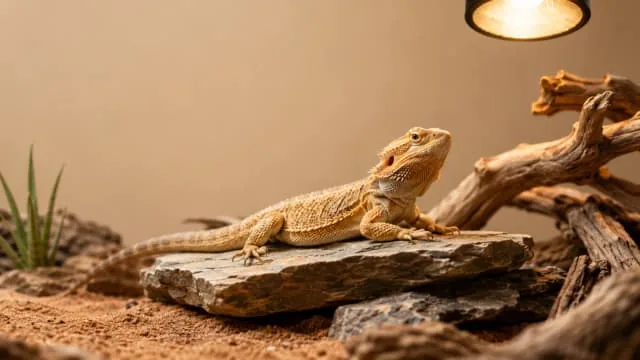
Your dragon just woke up from months of near-total shutdown, and now it’s staring at a fresh salad like you’ve personally offended it. Take a breath: a slow appetite after brumation is one of the most normal things in bearded dragon keeping. The digestive system has been essentially offline all winter, and it needs days — sometimes up to two weeks — to come back online. What matters isn’t the first-day refusal. It’s the trend over the first 14 days, and knowing exactly where the line sits between “give it time” and “call the vet.”
Why the appetite lags behind the wake-up
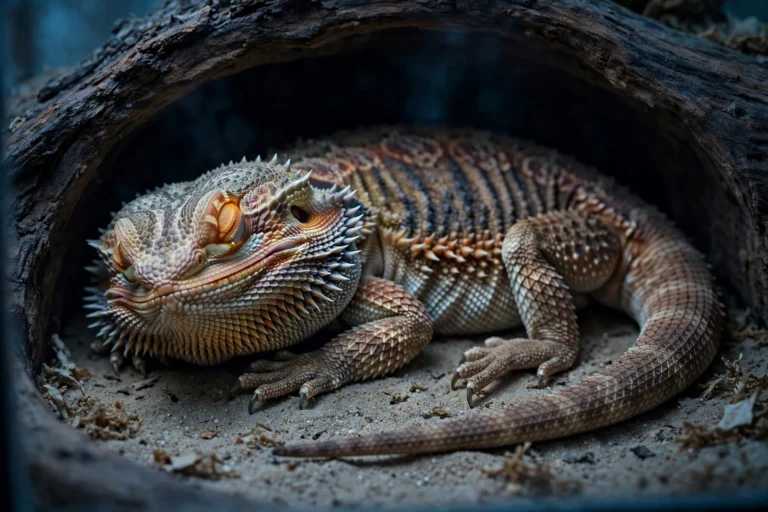
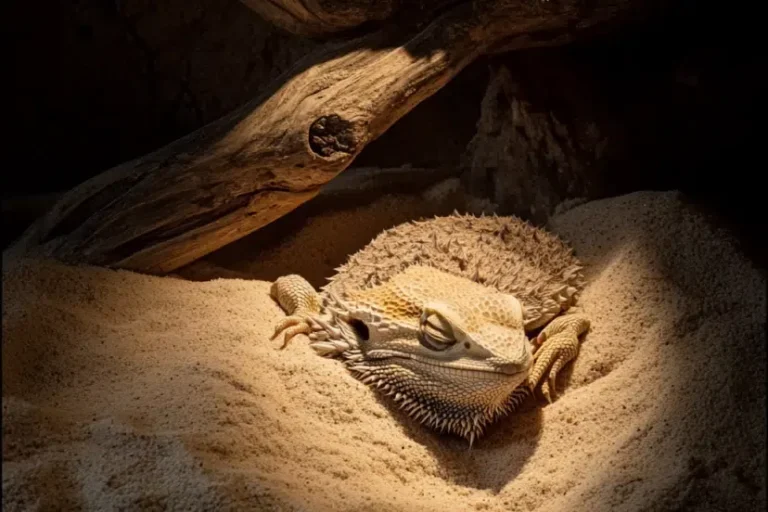
During brumation, a bearded dragon’s metabolism drops to a fraction of its normal rate. Heart rate slows, activity nearly stops, and digestion all but ceases — the gut is a cold, quiet tube with nothing in it and nothing to do. When your dragon wakes, the body doesn’t flip a single switch back to “normal.” It reboots in stages: alertness returns first, then basking behavior, then thirst, and only then hunger. Expecting a full feeding response on day one is like expecting someone to run a marathon the morning after a long illness.
This is also why the standard advice from experienced keepers and vet sources converges on the same sequence: water before food, greens before insects, small before normal. The gut needs warmth and hydration to restart peristalsis and enzyme activity. Food offered to a cold, dehydrated dragon doesn’t get digested properly — it just sits there. So the first 48 hours after wake-up aren’t about calories at all. They’re about heat and water.
One more thing that surprises first-timers: males often wake up with “spring fever” — restlessness, head-bobbing, glass surfing, and a jet-black beard. That hormonal surge can suppress appetite on its own for a few days. It’s normal, and it usually settles within a couple of weeks. Don’t confuse breeding-season theatrics with a feeding problem.
The first 14 days: a day-by-day recovery timeline
Not every dragon follows this script exactly, but the order of operations is consistent. Use it as your map — and the recovery tracker below to log where your dragon actually is.
- Water and warmth onlyRestore the full lighting and heating schedule — basking surface back to the normal 105–110°F range so digestion is physically possible. Offer a shallow lukewarm soak and drip water on the snout. Don’t offer food yet. If your dragon is only groggily emerging rather than truly awake, let it go back to sleep; a half-wake isn’t the starting gun.
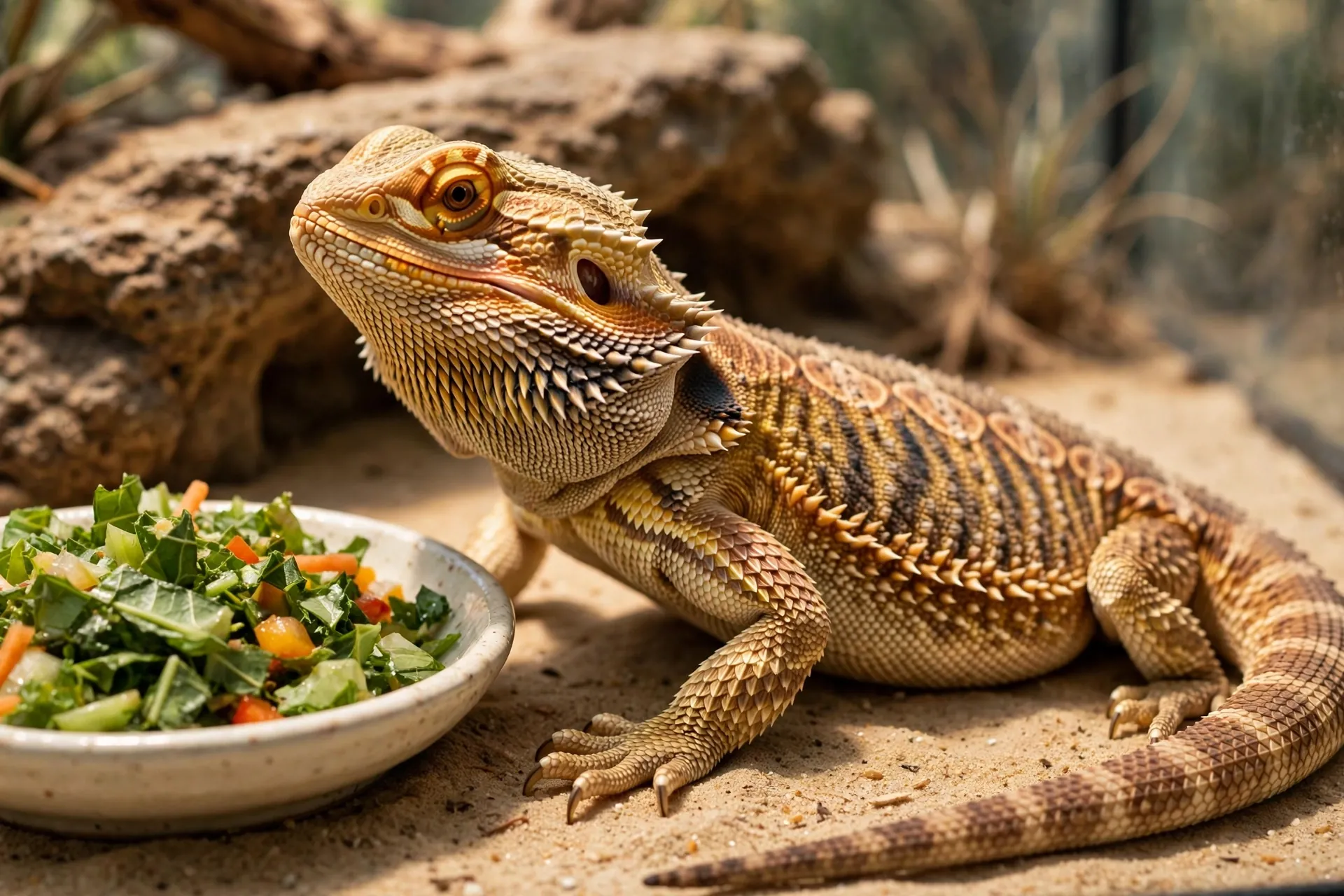
- First greens, lightlyOffer a small amount of easily digestible staple greens, misted heavily for extra moisture. Expect sniffing, licking, and walking away — a nibble counts as a win. This is also when the waking up guide suggests confirming your heat gradient is fully restored, since a dragon that can’t reach proper basking temperature won’t eat no matter how good the salad looks.
- First insects, small and fewOnce greens are being sampled, introduce a few small, soft feeders — small dubia roaches or black soldier fly larvae are ideal. Two or three insects, not a feast. The goal is to confirm the gut is moving food through, not to make up for lost time. Watch for the first post-brumation poop in the coming days: it’s the clearest proof the digestive system is back online.
- Building back upIncrease portions gradually toward the normal routine. This is the right moment for restarting the feeding schedule in full — regular salad offerings plus appropriately sized insect meals. Most dragons are eating with visible enthusiasm by now. If yours is still only picking at food but is otherwise active, alert, and basking, you’re likely still in the normal range.
- The decision windowBy now, appetite should be approaching pre-brumation levels. A dragon that is active and basking but eating lightly is probably fine. A dragon that still refuses everything, is losing weight, or is sliding back toward lethargy has crossed from “slow recovery” into “needs professional eyes.” Day 14 is the line — don’t negotiate with it.
Appetite recovery tracker
Plug in how many days ago your dragon woke up, then check off each milestone as it happens. The tracker flags anything running behind the typical window — and tells you plainly when the two-week line means it’s vet time.
🐉 Post-Brumation Recovery Tracker
Three mistakes that slow recovery down
1. The day-one protein bomb. Dumping a dozen large dubias in front of a freshly woken dragon is the classic error. The gut can’t handle it, the dragon often won’t touch it, and the uneaten insects stress the animal. Small and few beats big and impressive every time.
2. Offering food before heat. Digestion in bearded dragons is temperature-dependent — without a proper basking surface around 105–110°F, food literally cannot be processed efficiently. If your dragon isn’t eating, check the basking temperature before you blame the menu. A temp gun reading beats a guess.
3. Hovering and hand-feeding marathons. Anxious keepers tend to dangle food in the dragon’s face for twenty minutes, multiple times a day. That pressure can make a tentative dragon avoid food more, not less. Offer, leave it for a while, remove it, and try again later. Calm routine beats constant coaxing.
If appetite problems show up outside the post-brumation window — or your dragon never brumated at all — the causes are different. Work through the not-eating troubleshooter instead, which covers the full range from husbandry issues to illness.
Red flags: when “not eating” stops being about brumation
Brumation explains a slow appetite. It does not explain everything. Call a reptile vet promptly if you see any of these:
- No real appetite by day 14 after fully waking — the single clearest cutoff.
- Weight still dropping after wake-up. Some loss during brumation (up to ~10%) is expected; continued loss once awake is not.
- Lethargy that deepens instead of lifting — a dragon that was perking up and then fades again.
- No bowel movement within about two weeks of resuming food.
- Physical warning signs: black beard that won’t clear, sunken eyes, discharge from eyes or nose, wheezing or open-mouth breathing, swollen limbs.
One specific post-brumation risk worth naming: parasites. A dragon can carry a low parasite burden into brumation and come out with it bloomed into a real problem, since months of immune slowdown give parasites room to multiply. Appetite loss paired with runny or foul-smelling droppings after wake-up is a classic pattern — and it’s exactly what a fecal exam at the vet is for.
The two-week rule, one more time: a dragon that is awake, warm, hydrated, and still refusing all food at day 14 needs a professional, not more patience. Book that reptile vet visit — bring your weight log from brumation and notes on exactly what was offered and refused. That record turns a vague “not eating” appointment into a productive one.