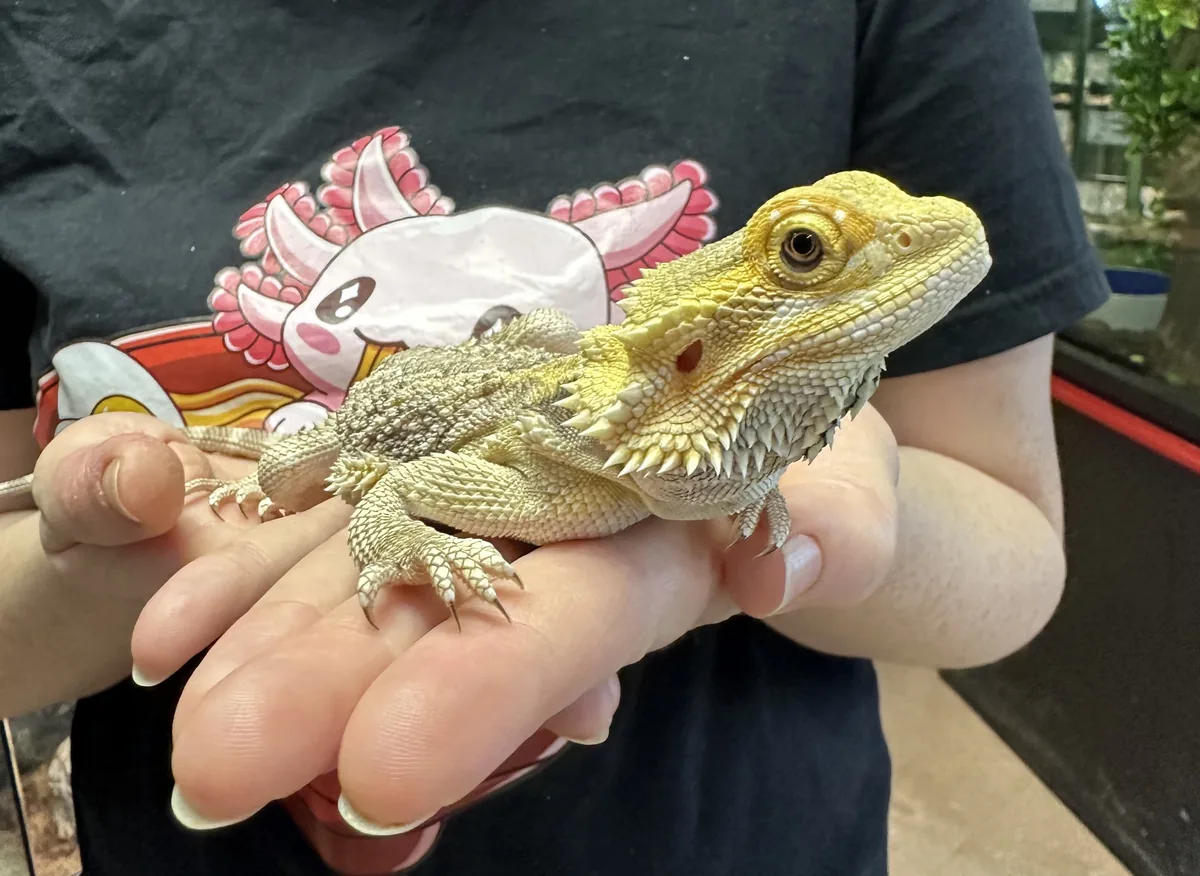
Brumation Myths & When NOT to Brumate
Brumation has a mythology problem. For every keeper who manages the winter sleep calmly, there’s a forum thread confidently advising something that ranges from useless to genuinely dangerous: crash the temperatures, bathe him daily, babies do it too, never touch him till spring. Bad brumation advice doesn’t just confuse people — it kills dragons, usually through the “it’s just brumation” dismissal of real illness.
This article takes nine of the most persistent myths apart. Tap each card to flip it and see the reality — then read the deep dives on the three myths that cause the most harm, and the list of dragons that should not be brumating at all.
The three myths that cause the most harm
All nine myths mislead, but three of them have body counts — figuratively and, in bad years, literally.
“Babies brumate too.” This is the most dangerous myth on the list. A juvenile under 12 months that goes lethargic and stops eating is almost certainly dealing with illness, parasites, or a husbandry failure — and every week spent “waiting out brumation” is a week of delayed treatment for a growing animal that can’t afford it. Reptile vets are blunt on this point: bearded dragons under one year of age do not brumate. The rule is absolute in practice even if biology allows freak exceptions: a juvenile slowdown gets a vet visit first, always. No forum anecdote about someone’s 8-month-old “brumating fine” overrides that.
“Force it by crashing the temperatures.” Some keepers, convinced their dragon should be brumating, drop temperatures and slash light hours overnight to trigger it. In the wild, winter arrives over weeks; the animal’s physiology tracks that slope. An overnight crash doesn’t simulate winter — it simulates a cold snap, and it stresses the immune system at exactly the moment you’re asking the body to idle for months. If you’re managing a brumation deliberately (the prep article’s wind-down), the transition takes two to three weeks. Anything faster isn’t brumation management; it’s a shock.
“It’s probably just brumation.” The four deadliest words in bearded dragon keeping. Brumation explains behavioral changes — sleeping, not eating, hiding. It does not explain physical changes: rapid weight loss, black beard that won’t clear, discharge, swollen limbs, wheezing, abnormal waste. Every winter, sick dragons get filed under “brumating” by hopeful keepers while treatable conditions advance. The weekly weigh-in and the physical-sign checklist exist precisely to catch this error. When the signs don’t fit brumation, the answer is the vet — and the brumation vs. illness checker is the tool for the uncertain middle.
📊 Stat: The age gate for brumation is one of the firmest rules in the hobby: 12 months minimum, 18+ months preferred. Below that line, the overwhelming veterinary consensus is that lethargy and appetite loss indicate a health or husbandry problem — not dormancy. If your “brumating” dragon is under a year old, stop reading brumation guides and book the vet.
When NOT to brumate: the do-not list
Some dragons should sit this winter out entirely. If any of these describe your animal, the plan is to keep them up — steady 12–14 hour days, full temperatures, normal feeding — not to manage a brumation:
| Who | Why not | What to do instead |
|---|---|---|
| Under 12 months old | Growing bodies can’t safely fast for months; slowdown likely means illness | Vet visit; maintain full light/heat/feeding |
| Sick, weak, or underweight | Poor fat reserves and compromised immunity; brumation can be fatal | Treat the underlying issue first; brumate next year |
| Parasite-positive | Parasites manageable when active become dangerous when immunity idles | Complete treatment + clear recheck fecal first |
| Recent rescue, unknown history | No baseline weight, unknown health status — nothing to monitor against | Quarantine, vet workup, a full active season first |
| Female that just laid eggs | Egg production is enormously depleting; reserves are already spent | Rebuild condition for months; skip this winter |
Note the pattern: every entry on this list is about reserves — of fat, of immune function, of known health history. Brumation is a fast, and you don’t start a fast from a deficit. A dragon that fails the list isn’t missing out on something essential; plenty of healthy dragons skip brumation with zero consequences. The sleep is optional. The preparation is not.
💡 Did you know? Unsure whether a still dragon is brumating or worse? There’s a simple field check: a brumating dragon placed gently on its back will make a slow attempt to right itself. It’s groggy, not athletic — but the reflex is there. A dragon that is limp and completely unresponsive is not brumating; that’s an emergency. (And a dragon that flips over indignantly and glares at you was probably just napping.)
Keeping a dragon up safely
For every dragon on the do-not list, “keep them up” is a real protocol, not just the absence of brumation. Hold the light cycle at 12–14 hours, keep basking and cool-end temperatures at full normal values, and feed on the regular schedule. The goal is to give the dragon’s system no seasonal excuse to power down.
Be aware that some dragons slow down anyway — they sense the season through cues you can’t fully control, like room temperature and window light. If a do-not-brumate dragon gets drowsy despite your best efforts, don’t fight it aggressively; support it instead. Keep offering food and heat, maintain the light schedule, monitor weight closely, and keep the vet in the loop. A “partial” winter slowdown in a young or recovering dragon, managed with food available and weight stable, is far safer than either a forced full brumation or a panicked attempt to keep the animal artificially wired.
🔍 Fact check: “Preventing brumation harms the dragon — it’s unnatural.” The evidence doesn’t support this as a rule. Large numbers of captive dragons are maintained year-round on steady light and heat with no ill effects, and reptile vets routinely advise keeping unfit dragons up through winter. Brumation is a natural option, not a biological requirement — what matters is matching the winter strategy to the individual animal’s fitness, not following a calendar.
Brumation myth questions, answered
My friend’s 9-month-old “brumated” and was fine. Doesn’t that prove babies can do it?
It proves one juvenile survived a winter slowdown, not that it’s safe or advisable. Survivor anecdotes don’t capture the juveniles that didn’t make it — and a vet can’t distinguish “fine” from “lucky” without examining the animal. The 12-month rule exists because the downside of being wrong is a dead or stunted juvenile. Don’t gamble growth on an anecdote.
Is it true dragons brumate at the “wrong” time because they’re from Australia?
There’s a popular theory that captive dragons get confused by reversed seasons, but it’s just a theory. What matters practically: dragons brumate on their own schedule, occasionally off-season, and the correct response is the same whenever it happens — verify health, monitor weight, provide water. The calendar doesn’t change the protocol.
Should breeding dragons be brumated deliberately?
Some breeders do cool their animals to cycle them for breeding, but that’s an advanced, deliberate protocol — not something a pet keeper should imitate casually. If you’re not breeding, there’s no reason to engineer a brumation. Let the dragon decide.
My dragon brumates every year but my other one never does. Is one of them abnormal?
Neither. Individual variation in brumation is enormous and normal — yearly, occasional, never. As long as each dragon is healthy, eating normally in the active season, and holding weight, their personal pattern is their normal. Don’t try to synchronize them.
Can a dragon die during brumation?
Yes — which is exactly why preparation and monitoring matter. Healthy, well-prepared adults in the hands of attentive keepers come through fine; the deaths happen to dragons that went down sick, parasitized, underweight, or unmonitored. Brumation doesn’t kill healthy dragons. Skipping the checklist does.