Black Soldier Fly Larvae: The Calcium-Rich Feeder Guide
Here is a number that ends most feeder debates before they start: 2.6 to 1. That is the calcium-to-phosphorus ratio of black soldier fly larvae — the only common feeder insect that arrives with the ratio already right. Laboratory analyses put their calcium as high as 9,340 milligrams per kilogram, somewhere between 20 and 60 times the calcium packed into a cricket. Every other feeder in the tub needs a coating of calcium powder to fix its inverted ratio. Black soldier fly larvae walk in balanced.
Sold in the trade as Phoenix worms, NutriGrubs, ReptiWorms, or calci-worms — same insect, different brand names — these larvae have gone from a niche feeder to a staple-bin essential in under a decade. This guide covers what is actually in them, how they stack up against dubias, crickets, and mealworms, how to feed them, and how to store a cup for weeks without lifting a finger.
9,340 mg/kg — the top-end calcium figure reported for black soldier fly larvae, about 20–60× the calcium in a cricket and the highest natural calcium level of any common feeder insect.
The nutrition numbers
Black soldier fly larvae (Hermetia illucens) run roughly 17% protein with 11–14% fat — a solid protein figure, though not record-breaking, and a fat level noticeably higher than dubia roaches. The headline is the minerals: calcium up to 9,340 mg/kg against phosphorus around 3,560 mg/kg, which is what produces that 2.6:1 ratio. A bearded dragon’s diet wants roughly twice as much calcium as phosphorus; most insects deliver the reverse, which is exactly why dusting exists.
Two physical advantages matter beyond the spreadsheet. First, the body: larvae wear a soft exoskeleton rather than mealworm-style armor, which makes them easier to digest — a meaningful edge for juveniles and for dragons with sluggish digestion. Second, the size: large larvae run about half to three-quarters of an inch, which fits the space-between-the-eyes rule for most dragons past the tiny-baby stage. Their natural calcium content is a safety net, not a license to skip the supplement routine — more on that below.
Black soldier fly larvae vs the other staples
Numbers beat opinions. The table below lines up the four feeders most keepers actually rotate — larvae, dubia roaches, crickets, and mealworms — across the five dimensions that decide your daily routine: calcium balance, fat, protein, how miserable the insect is to keep, and cost. Click any column header to re-sort by what you care about most.
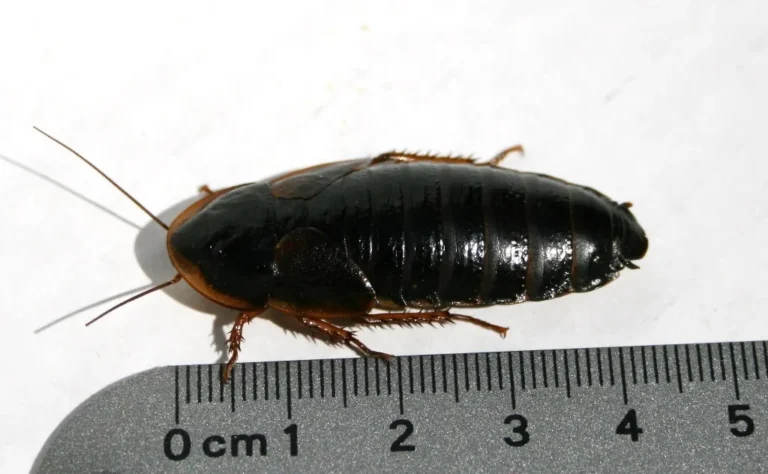
A few things the table cannot show. Dubias remain the consensus best all-round staple because they combine the highest protein with a calm, odorless colony — the larvae win the calcium crown but run fattier and cost more per bug. Crickets are the cheapest entry point but punish you with smell, noise, and wave die-offs. Mealworms sit firmly in the treats-only corner: hard chitin shells, mediocre nutrition, never for babies. Rotation — at least two or three staples — covers the gaps no single analysis captures. If you keep more than one dragon, dubia breeding cuts the per-bug cost of your other staple to nearly zero, which pairs well with bought-in larvae.
Myth: the larvae’s natural calcium means you can stop dusting. Reality: sellers say it; careful keepers don’t buy it. They are the best undusted feeder on the market — not a supplement replacement. Keep dusting lightly and let the larvae’s calcium work as your margin of safety, not your whole plan.
How to feed them
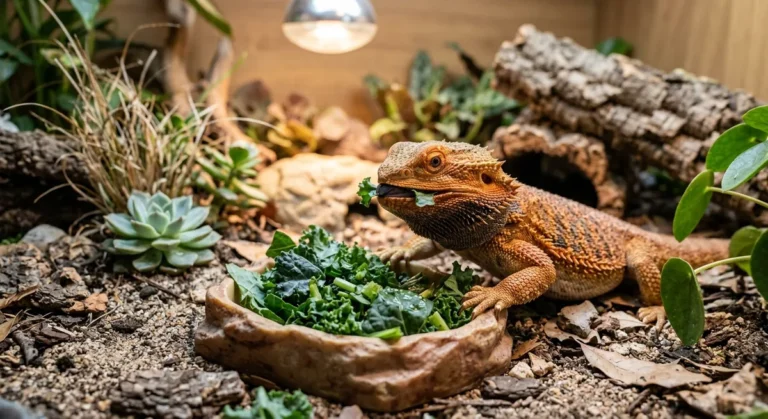
Serving is the easy part. Offer the larvae in a smooth-sided dish they cannot climb out of — escapees burrow into the substrate and pupate into harmless but startling adult flies — or tong-feed if your dragon is a hunter. A shallow escape-proof bowl on the cool side of the tank is the standard setup, and mixing a few larvae into the salad bowl works too: once the dragon recognizes them as food, most go slightly mad for the wiggle.
Match the size to the space between the dragon’s eyes, as with every feeder. As a rough guide, 10–15 large larvae per sitting suits an adult, adjusted to the animal’s size and appetite — but fold them into the age-based portions in our feeding schedule rather than treating them as a separate food group. For picky eaters, the constant movement is a genuine asset: many dragons that ignore sluggish dubias will strike at wriggling larvae first, which makes a dish of them a useful appetite jump-start for a dragon off its food. And for the fun side of the menu — hornworms, waxworms, and the rest of the candy aisle — our treat insects guide covers what each one is actually for.
Two practical habits close the loop. First, feed the dark ones first: larvae darken as they prepare to pupate, and those are the ones to use up — the pupated form is still perfectly safe to feed and tests even higher in calcium, so nothing goes to waste. Second, skip the gut-loading ritual for these. Unlike crickets, which are nutritionally empty without proper gut-loading, the larvae arrive in their shipping cup with enough reserves to last weeks — no feeding, no watering, no maintenance.
Black soldier fly larvae need no food or water while stored. They ship in a cup with enough reserves to last two to three weeks at room temperature — the rare pet-care product that genuinely maintains itself.
Storage: the cool-cup method
This is where the larvae quietly beat crickets. Keep them in the ventilated cup they arrive in, at room temperature, and they are good for two to three weeks. Want longer? Move the cup somewhere cool — 50 to 60°F, like a wine cooler, a cool basement corner, or an unheated garage in mild weather — and they will hold for four to six weeks or more before pupating.
One hard rule: never refrigerate them. A normal refrigerator is too cold and kills the larvae; anything under about 50°F sends them inactive and they die within hours. Keep the cup out of direct sun as well, and pick out any dead larvae promptly — a sour or ammonia smell means the cup needs airing out and the dead ones removed. When the whole cup starts turning dark, that is your signal to feed them off quickly: the colony is telling you its expiry date.
“Store feeder worms in the fridge.” False for this species. Refrigeration kills black soldier fly larvae; the correct range is 50–60°F for long storage, or plain room temperature for a few weeks. Multiple major feeder suppliers agree on this one — it is the single most common storage mistake.
Quick answers
Can black soldier fly larvae be the only feeder?
They are nutritionally strong enough to anchor a rotation, but no single insect should be the whole diet — different feeders bring different amino acid profiles and micronutrients, and monotony backfires if a colony crashes. Rotate at least two staples.
Are the black, hardened ones still safe to feed?
Yes. Dark larvae are preparing to pupate; they are safe to feed and test even higher in calcium than the pale ones. Feed the dark ones first so none go to waste.
Do baby bearded dragons handle them?
Yes — small and medium sizes suit juveniles, and the soft body makes these one of the gentler feeders for young dragons. Size every feeder to the space between the dragon’s eyes.
Live or dried larvae?
Live for nutrition and hunting enrichment. Dried larvae keep for months and work as a salad topper, but processing changes the nutritional profile — they are backup, not the program.
What to read next
🦗 Ready to cut feeder costs to nearly zero? Read our guide to breeding your own feeders — a dubia colony pays for itself in months and pairs perfectly with bought-in larvae.