Why Is My Bearded Dragon Gaping?
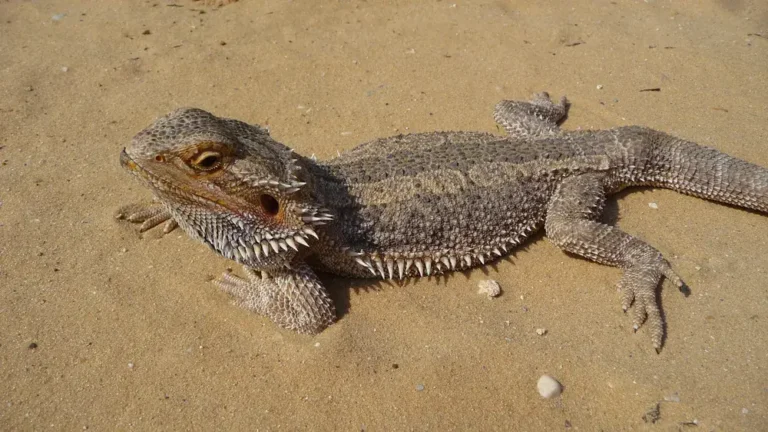
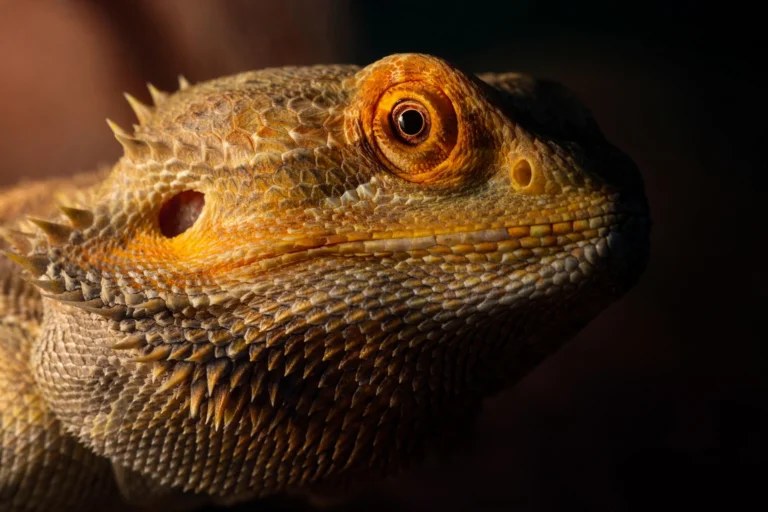
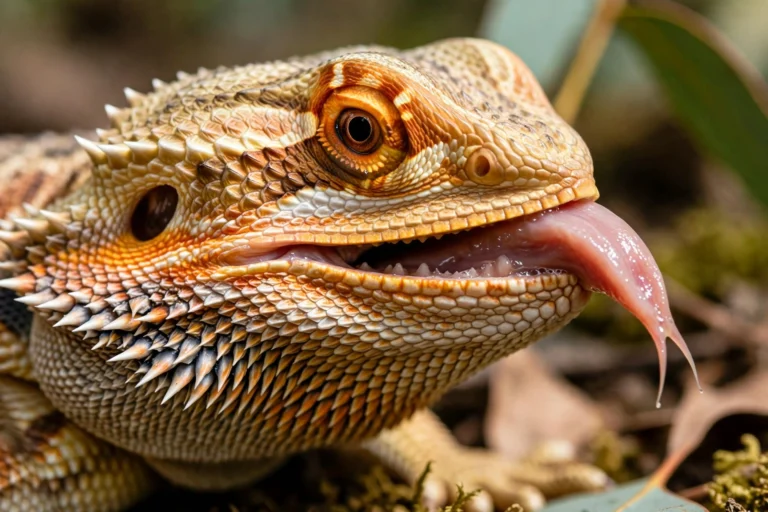
You glance over at your bearded dragon and freeze: mouth hanging open, completely still, staring into the middle distance like a tiny sunbathing philosopher. It looks dramatic. It looks, frankly, a little broken. But in the vast majority of cases, that open mouth is the most boring — and most reassuring — explanation possible.
This behavior has a name: gaping. It is one of the most common things new keepers panic about and one of the least likely to be a problem. The trick is knowing which version you are looking at, because gaping does occasionally flag something that needs attention. This guide walks you through both.
The short answer: your dragon is running its cooling system
Bearded dragons are ectotherms, meaning they do not generate their own body heat the way mammals do. Every degree of body temperature comes from the environment, and every excess degree has to be dumped back into it. Since reptiles cannot sweat, they open their mouths to release heat — think of it as the reptile version of a dog panting. The open mouth increases the surface area exposed to the air, and heat escapes through evaporation and convection.
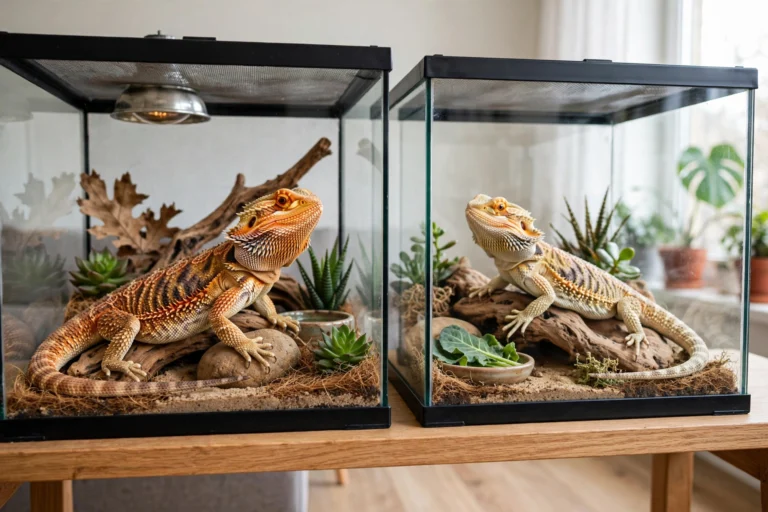
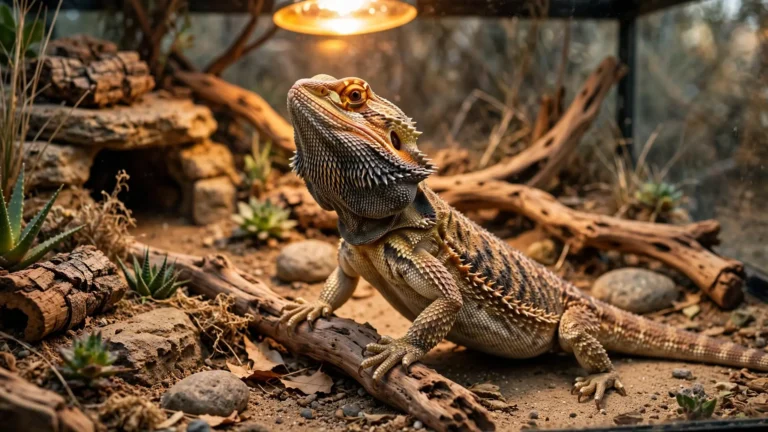
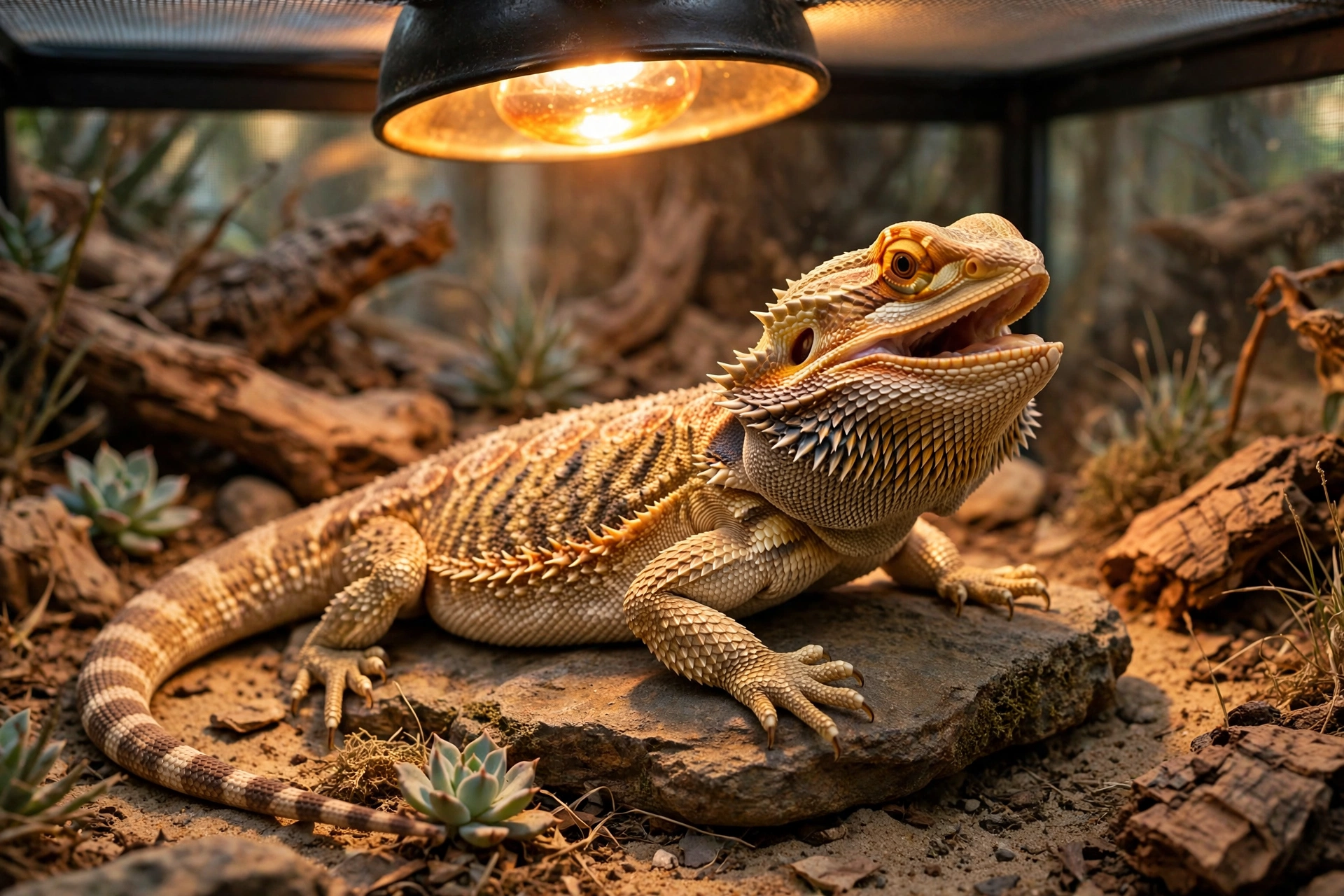
This is why gaping shows up almost exclusively under the basking lamp. The dragon has been soaking up heat, its body has hit its thermal sweet spot, and now it is venting the surplus while staying parked in the warmth. Reptile keepers and veterinarians widely treat this as a sign the setup is working: the animal reached its preferred temperature and is regulating like it should.
Because bearded dragons cannot sweat, an open mouth is their most efficient radiator. Evaporation from the moist lining of the mouth carries heat away far faster than the dry scales on the rest of the body ever could.
5 normal reasons your bearded dragon gapes
1. Basking thermoregulation
The classic. Your dragon sits under the heat lamp, mouth open, looking utterly content. It is alert, its body is relaxed rather than flattened in alarm, and it has been basking for a while. If the basking surface reads in the normal range, this is textbook gaping — the behavior basking temps guides describe as the “I have arrived” signal.
2. Cooling down after activity
A dragon that has just explored, chased feeders, or had an energetic handling session may gape for a few minutes afterward. Muscles generate heat, and the mouth-vent helps dump it. If the gape fades within 10–20 minutes of settling down, it was just a cool-down.
3. A big jaw stretch
Like people, dragons stretch. An open-close of the mouth, sometimes with a slow yawn-like motion, is often just the jaw and facial muscles loosening up. These stretches are brief and one-off rather than sustained.
4. A dominance or threat display
Bearded dragons are territorial. A wide, deliberate gape directed at another dragon — or occasionally at a hand, a reflection, or a perceived rival — is communication, not cooling. It usually comes bundled with other signals from our body language guide: head bobbing, beard puffing, or a darkened beard. If your dragon only gapes when something specific is in view, it is talking, not thermoregulating.
5. Post-brumation or warm-room gaping
On unusually warm days, or in a room that runs hot, a dragon may gape while resting outside the basking zone simply because the ambient air is warm. As long as the cool side of the enclosure offers a genuine retreat (around 75–85°F), occasional gaping elsewhere is not alarming.
Myth: any open mouth means a respiratory infection.
Reality: open-mouth breathing is a danger sign in snakes, but a basking bearded dragon with its mouth open is usually doing something completely normal. Context — where the dragon is, how it is breathing, how it is acting — is what separates the two.
When gaping is a warning sign
Normal gaping has a relaxed quality and a clear context. The versions below deserve a closer look — some need a setup tweak tonight, and one needs a reptile vet.
The basking spot is simply too hot
If your dragon gapes constantly, never seems comfortable, or also flattens its body, presses against the glass, or keeps trying to escape the hot end, the basking surface may be running too hot. Spots pushing past about 115°F can stress a dragon, and chronic gaping is the first complaint. Check the surface with a proper thermometer, and adjust the bulb wattage or raise the fixture. Our guide to check your basking temp the right way shows which tool reads surfaces accurately.
The generally recommended basking surface range for adult bearded dragons is about 95–110°F, with a cool side around 75–85°F. Gaping inside that gradient is normal; gaping with no cool retreat available is a setup problem.
Stress gaping
Stress can show up as persistent gaping, especially when paired with the classic stress markers: dark patches or lines on the belly and throat, a blackened beard, appetite loss, or hiding. Common triggers include a new enclosure, excessive handling, a tank mate (bearded dragons are solitary and territorial), loud household traffic, or temperatures that are wrong in either direction. If the gape comes with stress signals, work through Is Your Bearded Dragon Stressed? 8 Signs to Watch and remove the trigger rather than treating the mouth.
Dehydration
A severely dehydrated dragon may hold its mouth slightly ajar — not the wide relaxed gape of basking, but a slack, half-open mouth. This one rarely travels alone: look for wrinkled or loose skin, sunken eyes, and lethargy. Offer water, review your hydration routine, and if the signs persist, book a vet visit.
Respiratory trouble — the one that needs a vet
This is the serious version, and it looks and sounds different from thermoregulation. Warning signs include gaping while resting on the cool side or away from any heat source, visibly labored breathing, wheezing, clicking, or popping sounds, mucus or bubbles around the nose or mouth, repeated swallowing motions, lethargy, and appetite loss. Respiratory infections in bearded dragons are most often tied to husbandry — humidity running too high or temperatures running too low — and they do not resolve on their own. If you are seeing this cluster, read the RI warning signs and call a reptile vet promptly. Do not try to diagnose or medicate at home; breathing problems can deteriorate quickly.
Chronic overheating is worth ruling out at the same time — a dragon that cannot escape the heat can look distressed in ways that mimic illness, and burns from unregulated heat sources are a separate, preventable emergency.
What to check right now: the 5-minute gape audit
Run through this list the next time you spot the open mouth. It takes five minutes and answers the question almost every time.
- Where is the dragon? Under the basking lamp, relaxed = normal. On the cool side or in the hide with its mouth open = investigate.
- What does the basking surface read? Measure the actual surface, not the air. Normal is roughly 95–110°F for adults.
- Is there a real cool side? The dragon needs somewhere around 75–85°F to retreat to. No gradient, no way to self-regulate.
- How is the breathing? Silent and easy = fine. Wheezing, clicking, popping, or visible effort = vet.
- How is the dragon otherwise? Alert, eating, active between basks = normal. Lethargic, not eating, mucus, or dark stress coloring = act.
The bottom line
A bearded dragon basking with its mouth open is usually a bearded dragon doing everything right. It found the heat, hit its target temperature, and switched on the cooling vents. Learn the relaxed basking gape, learn the red-flag cluster, and you will spend a lot less time worrying — and catch the rare real problem much earlier.