Atadenovirus in Bearded Dragons: What Every Owner Should Know
Atadenovirus in Bearded Dragons: What Every Owner Should Know
In one published study, 22 of 31 apparently healthy bearded dragons — 71% — tested positive for atadenovirus on a cloacal PCR swab. They looked fine. They ate fine. They were carrying the most common virus in captive bearded dragons without showing a single sign.
That is the uncomfortable truth reptile veterinarians want every owner to hear: atadenovirus (ADV) is widespread, usually silent, and impossible to rule out just by looking at your dragon. Here is the reassuring part, and it matters just as much: many positive dragons live completely normal, happy lives. This guide explains what the virus is, which signs genuinely matter, how testing works, and what a positive result means for your dragon’s future. One boundary before we start: nothing here can diagnose your dragon. Only a PCR test run by a reptile veterinarian can confirm ADV.
Across published studies, the share of healthy-looking bearded dragons testing PCR-positive for atadenovirus ranged from 5% to 71%, depending on the population sampled. Reptile vets treat ADV as widespread until a test says otherwise.
What atadenovirus actually is
Atadenovirus — formerly called agamid adenovirus 1 — is a DNA virus that infects bearded dragons more often than any other known virus. It spreads through fecal-oral contact: microscopic traces of droppings on decor, feeders, hands, or shared bath water. And it is tough. The virus survives for long stretches in the environment and shrugs off many everyday disinfectants; only disinfectants rated effective against parvovirus reliably kill it.
Most infected dragons pick it up extremely young. Many hatch already carrying it from an infected mother, or catch it in their first weeks of life. Once infected, a dragon stays infected for life and can pass it to other lizards. The virus can inflame the gut, liver, kidneys, and nervous tissue, and it suppresses the immune system — which leaves the door open for other infections to pile on. Yet most cases stay subclinical: the dragon looks healthy, acts healthy, and silently sheds virus for years.
Atadenovirus was first detected in bearded dragons in New Zealand in 1982. It spent decades known as “agamid adenovirus 1” before researchers reclassified it into the atadenovirus genus — which is why older care sheets still call it plain “adenovirus.”
The ADV risk audit
You cannot see this virus, but you can estimate how urgently your situation calls for testing and quarantine. Check every statement that applies to your dragon, then get your tier. This audit estimates testing urgency — it is not a diagnosis, and it never will be. Only a vet’s PCR test can confirm ADV.
Does your situation call for testing?
Tick all that apply. Your recommendation tier appears below.
Source and history
Current signs
Reminder: a low tier does not mean “definitely negative.” Asymptomatic carriers are the norm with ADV, which is why vets recommend testing every dragon at least once.
The signs that genuinely matter
ADV hits the young hardest. In hatchlings and juveniles, vets watch for failure to thrive — a baby that eats but barely grows — along with appetite loss, weight loss, lethargy, and diarrhea. Sudden death in very young dragons is the grimmest presentation, and it is one reason responsible breeders test their colonies.
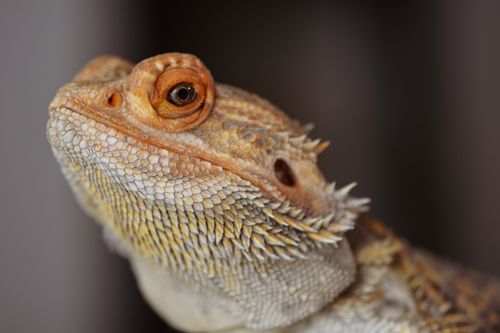
The signature sign, when the virus reaches nervous tissue, is "stargazing": the dragon cranes its neck and stares upward for long stretches, disoriented and unfocused. Tremors, loss of coordination, a head tilt, or weakness in the legs point in the same direction. Neurological cases tend to keep mild residual quirks even after they stabilize — but those dragons can still live happy, comfortable lives.
Adults usually tell a quieter story. Many are asymptomatic carriers who never show a thing. When signs do appear they are vague: gradual weight loss, intermittent appetite, low energy. Because ADV weakens the immune system, ordinary gut parasites can spiral out of control in a positive dragon — smelly, persistent diarrhea that keeps relapsing after treatment is a classic red flag. That is why vets start by ruling out parasite infections before blaming a virus, and why ongoing lethargy in bearded dragons deserves a proper workup instead of a wait-and-see approach.
Myth: a positive atadenovirus test is a death sentence. Reality: a large share of positive dragons never show a single symptom and live full, normal lives. Vets describe occasional flare-ups — a week of poor appetite or low energy — that resolve with supportive care.
How vets actually test for it
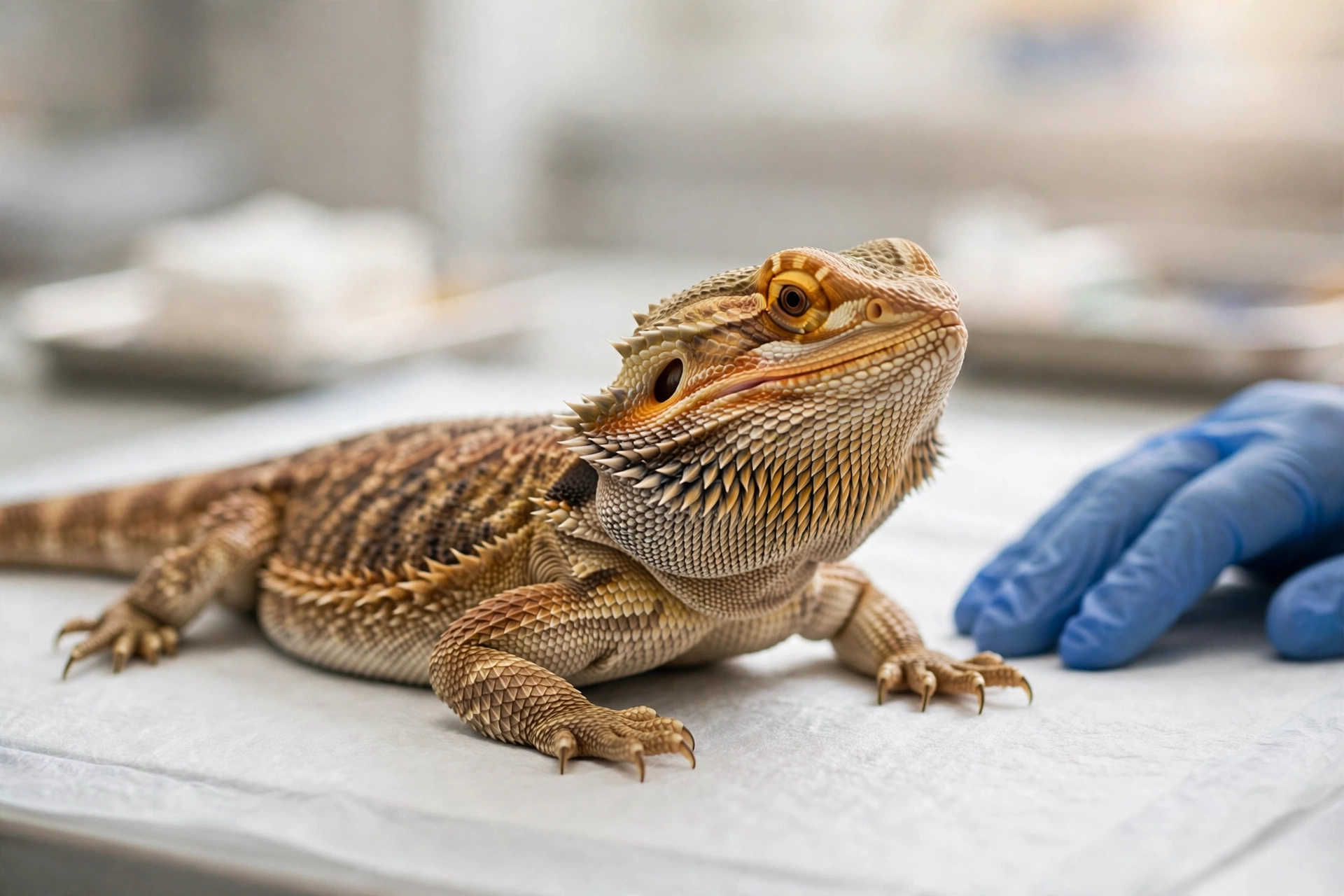
PCR testing is the gold standard. The vet takes a cloacal swab — or tests a fresh fecal sample — and a lab looks for the virus's DNA. It is quick, non-invasive, and definitive in a way no symptom checklist can ever be. Expect the vet to run a fecal parasite screen alongside it, since coccidia and ADV love to travel together, and bloodwork if organ damage is suspected.
If any of the signs above sound familiar, ask about PCR testing at a reptile vet. One swab settles the question that months of guessing cannot.
Can you diagnose atadenovirus at home? No — and this matters. Appetite loss, diarrhea, and lethargy overlap with parasites, poor husbandry, brumation, and a dozen other conditions. Only a PCR test processed for a reptile veterinarian confirms ADV. Home "diagnosis" risks missing something treatable.
What a positive result actually means
A positive PCR means your dragon carries the virus for life. There is no cure and no vaccine — treatment is supportive care during flare-ups: fluids, assisted feeding, and nursing, all directed by your vet. Most dragons pull through flare-ups and return to normal, and many positives never flare at all.
Three rules come with a positive result. First, never breed a positive dragon — transmission from mother to offspring is well documented, and breeding spreads the virus into new collections. Second, a positive dragon should live alone or only with other confirmed positives, never with untested dragons. Third, tighten hygiene: dedicated feeding tools, no shared bath water or decor between dragons of unknown status, thorough hand-washing between animals, and a parvovirus-effective disinfectant on anything a positive dragon touches.
Keeping it out of your home
The best ADV strategy is boring and effective: assume every new dragon is positive until a test says otherwise. Quarantine newcomers for a full 90 days in a separate setup, and schedule the PCR test during that window — which is exactly what screening a new bearded dragon is for. When buying, ask the breeder directly for ADV test results on the parents. A good breeder will have an answer ready, and the questions to ask your breeder about virus testing separate careful breeders from careless ones fast. Between dragons, wash your hands, disinfect tools, and never share feeders, water dishes, or bath tubs across enclosures.
The bottom line: atadenovirus is common, usually silent, and lifelong — but it is not a death sentence. Test every dragon once, quarantine every newcomer for 90 days, never breed a positive, and let a reptile vet confirm anything you suspect. Do that, and most positive dragons live perfectly ordinary, happy lives.
What to Read Next
🦎 Suspect something? Don't guess — book an atadenovirus PCR test with a reptile vet. One swab settles it.