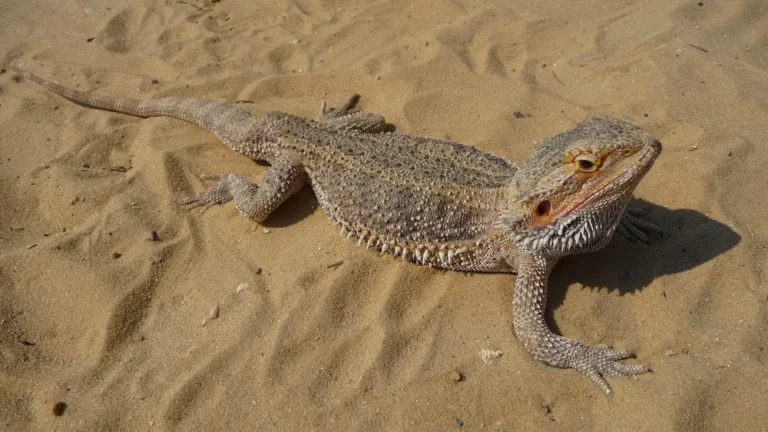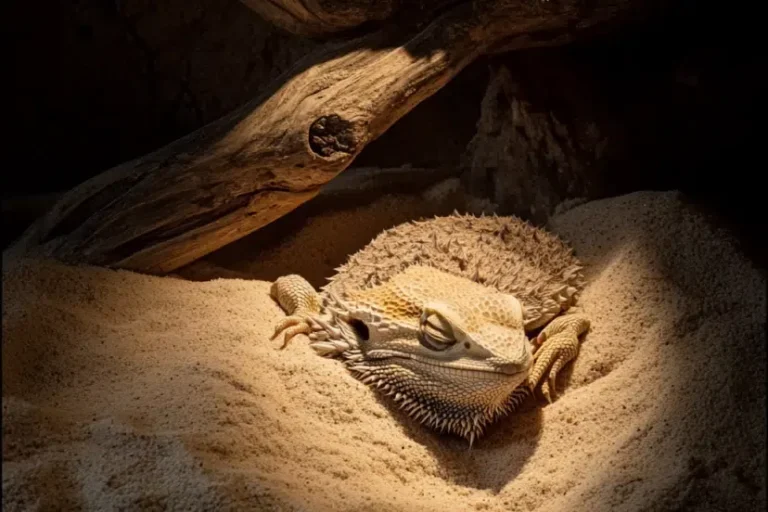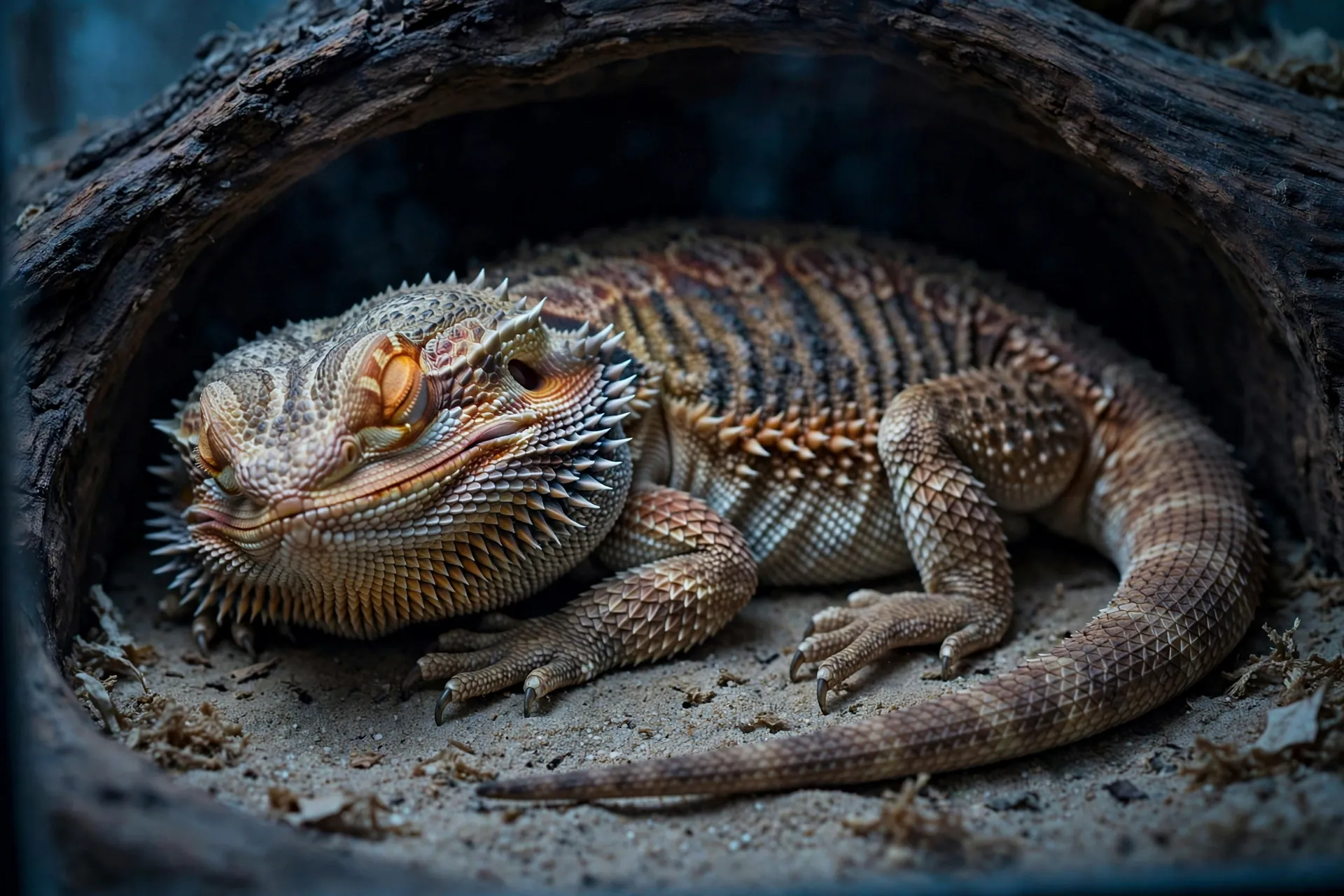
How Long Does Bearded Dragon Brumation Last?
Most bearded dragon brumations last 6 to 12 weeks — but that number hides enormous variation. Healthy dragons have slept for as little as 3 weeks and as long as 6 months, and the same dragon can brumate for a different length every single year. What matters more than the calendar is what your dragon’s body is doing while it sleeps. This guide breaks down the realistic timeline, what stretches or shortens it, and the exact point where a long nap becomes a call-the-vet situation.
The typical captive brumation lasts 1 to 3 months. Keepers report healthy brumations ranging from 3 weeks to 6 months, and structured brumation protocols aim for a 2-to-4-month window. Duration alone is rarely the problem — steady weight and stable condition are what count.
The short answer
If your adult dragon went down sometime between October and December, expect them back sometime between January and March. That 1-to-3-month window covers the large majority of healthy brumations. Some dragons nap lightly for a few weeks, stirring every few days; others go down hard and barely move for months. Both patterns are normal, and knowing the full brumation care guide helps you tell a quiet season from something that needs attention. The rest of this article maps out exactly where your dragon falls on that timeline.
Short brumations: a few weeks
Not every dragon commits to a full winter. Some slow down for 2 to 4 weeks — eating less, basking less, napping more — then perk back up as if nothing happened. This “partial brumation” is especially common in younger adults, in dragons kept in warmer rooms, and in years when the household’s light and temperature cues barely shift. A short brumation still deserves the same weekly weight checks as a long one, because brumation vs illness can be genuinely hard to read from the outside. If the slowdown is brief and the dragon rebounds with appetite and energy, it was almost certainly just a light season.
Typical brumations: 6 to 12 weeks
This is the sweet spot most keepers see. The dragon retreats to the cool end or a hide, sleeps most of the day, ignores food, and may surface briefly every week or two to drink or shift position. Brumation timeline basics follow a loose rhythm: a winding-down phase of 1 to 2 weeks, deep sleep for the bulk of the period, then a stirring phase where basking time gradually increases. During all of it, a healthy dragon’s weight should stay nearly flat — small dips are fine, but steady declines are not.
Long brumations: 4 to 6 months
Yes, really — some dragons sleep through nearly half the year. Large adult males are the classic marathon sleepers, and older dragons in general tend to take longer annual brumations than younger ones. A 4-to-6-month brumation can be perfectly healthy provided the dragon was in good condition going in and weight stays stable throughout. The key difference between a long brumation and a problem is trajectory: a sleeping dragon holds its weight, while a sick dragon loses it. Track weight loss during brumation weekly with a kitchen scale — it is the single most reliable signal you have.
When should YOUR dragon wake up?
Forget the averages for a moment — plug in your own dates. This estimator takes your dragon’s brumation start date and age, then gives you a personalized expected wake window and a plain-English verdict on where things stand right now.
What stretches or shortens a brumation
Five factors do most of the work:
- AgeAdults over 18 months take the longest, most consistent brumations. Dragons under 12 months generally should not brumate at all — their bodies are still growing and they lack the reserves.
- Health going inA dragon that entered brumation lean, dehydrated, or carrying parasites tends to surface earlier — or worse, fade during the sleep. A pre-brumation vet check is cheap insurance.
- TemperatureCooler rooms mean deeper, longer sleep. Dragons kept in warm rooms often brumate lightly or skip it entirely.
- Light cuesShorter days trigger and sustain brumation. Households with heavy artificial lighting through winter sometimes see shorter seasons.
- The individualSome dragons are simply long sleepers and some are not. Year-to-year variation in the same animal is completely normal.
None of these are levers you should pull deliberately to shorten a brumation. Warming a sleeping dragon to “wake them up faster” stresses the animal and can cause more harm than the extra weeks of sleep ever would.
Myth: “Brumation lasts exactly 3 months — if yours is still asleep at month 4, something is wrong.”
Reality: There is no fixed timer. Healthy brumations run from 3 weeks to 6 months, and many brumation myths come from keepers treating their first dragon’s season as the universal rule. Judge the dragon, not the calendar.
The 10% weight rule: your real clock
Since the calendar is unreliable, weigh your dragon instead. A kitchen scale and a weekly weigh-in tell you more than any timeline:
| Weight trend | What it means | What to do |
|---|---|---|
| Stable (within a few grams) | Normal brumation metabolism | Keep the weekly routine |
| Slow drift down, under 10% total | Common in long brumations | Weigh twice weekly; offer water on waking |
| Over 10% of starting weight lost | Not normal brumation | Wake gently and book a reptile vet promptly |
| Rapid loss, sunken eyes, or lethargy on handling | Likely illness | Vet now — do not wait for the season to end |
Record the starting weight the day the dragon goes down. Without that baseline number, every later reading is guesswork.
When the length itself becomes a red flag
Duration becomes a concern in three situations. First, a brumation stretching past 6 months with no stirring at all — exceptionally long sleeps happen, but they deserve a professional opinion. Second, a dragon that “wakes” but never really recovers: still hiding, still not eating weeks later, which can signal that unusual lethargy was illness wearing a brumation costume all along. Third, any physical symptom layered on top of the sleep — discharge, labored breathing, a black beard that never clears, or visible thinning. Learning to keep telling brumation apart from sickness is a skill worth building before the season starts, not during it.
What waking up actually looks like
Dragons rarely snap awake. The end of brumation is a slow ramp: a little more basking one day, a brief explore the next, then interest in food returns over days to a couple of weeks. Offer water first — a warm shallow soak or drops on the snout — then small meals that build back to normal portions. Do not be surprised if the first week back includes odd behavior; males in particular can wake up restless and display-heavy for a few weeks as seasonal hormones clear. Within a month, most dragons are fully back to their old routines.
Not sure the season is going normally? If your dragon has been down for months with no stirring, has lost significant weight, or just feels “off” to you, this is exactly when a too-long brumation needs a vet — a quick check beats months of worry.