Is Your Bearded Dragon Stressed? 8 Signs to Watch
Stress in bearded dragons is easy to miss and easy to misread. There’s no single “I’m stressed” face — instead there’s a cluster of signals, from dark belly lines to sudden glass surfing, that add up to a dragon telling you something in its world is wrong. The good news: most bearded dragon stress is husbandry stress, and husbandry stress is fixable. This guide covers the eight signs that matter, what usually causes each one, and the fixes in order of impact.
One framing note before we start: stress and illness share a lot of symptoms. A stressed dragon and a sick dragon can both stop eating, both go lethargic, both darken their beards. This guide will flag every point where the line blurs — because “it’s probably just stress” is one of the most dangerous sentences in reptile keeping when the real answer is a vet visit.
1. Stress marks: dark lines on the belly
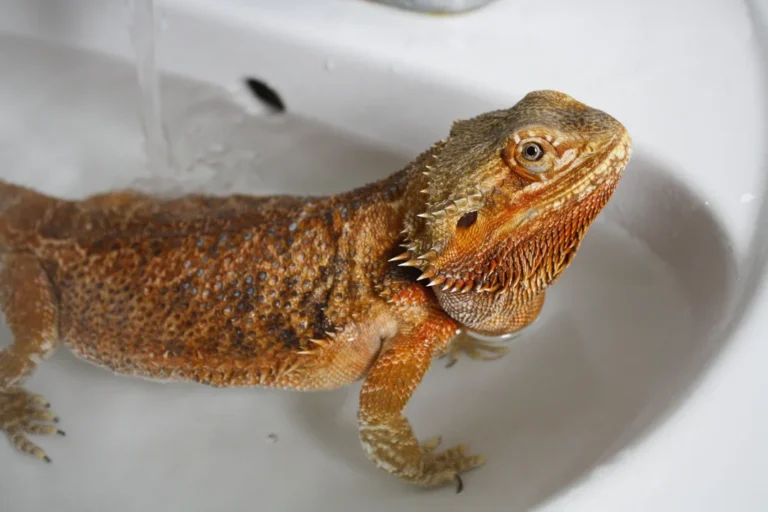
The classic sign. Stress marks are dark lines, commas, ovals, or “tiger stripes” that appear on the belly — and sometimes the chin, neck, limbs, or tail — when the dragon’s pigment cells respond to physiological arousal. They’re the first thing new keepers learn to look for, and the most misunderstood.
Here’s the nuance: the name is a misnomer. Those marks don’t always mean emotional stress. They also appear when a dragon is cold (darkening to absorb heat), in a new environment, during shedding, or in babies who are constantly growing and adapting. A baby dragon may wear stress marks nearly full-time for its first weeks and be perfectly fine.
Read them as a prompt, not a diagnosis. Marks that fade as the dragon warms up and settles are normal physiology. Marks that persist all day, every day, in a warm, settled dragon are a prompt to review the setup — and if there’s no obvious cause and they don’t fade, to call a reptile vet.
🔍 Fact check: “Stress marks always mean your dragon is stressed.” False — and the name does real harm by implying a single emotional cause. Cold dragons, shedding dragons, babies, and new arrivals all show belly marks without being “stressed” in any meaningful sense. Treat the marks as a question (“what changed?”), not an answer.
2. Persistent black beard
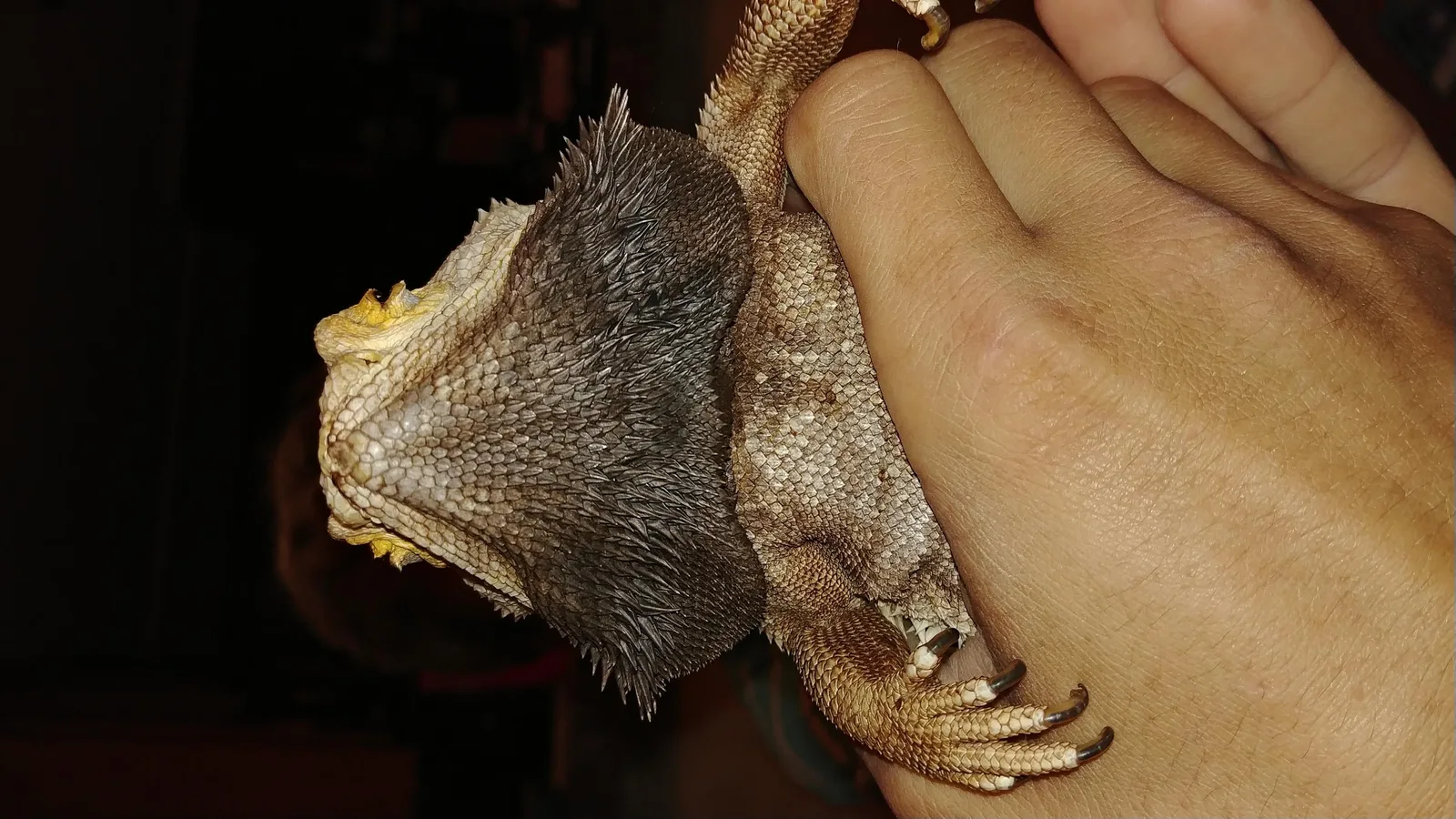
A black beard that flashes during a head-bobbing display and fades is communication. A beard that stays dark for hours or days is something else — sustained arousal, chronic stress, or illness. The black beard is the highest-bandwidth stress signal a dragon has, which is exactly why a stuck one deserves attention.
Work through the checklist: Is the dragon cold? (Darkening absorbs heat.) Can it see its reflection or another animal? (A “rival” that never leaves is chronic stress.) Has anything in the tank or room changed? Is it breeding season for an adult male? If none of those explain it — especially combined with lethargy, appetite loss, or labored breathing — skip the husbandry audit and book a reptile vet. A persistent black beard can also signal mouth rot, respiratory infection, or impaction.
3. Glass surfing
Repeated scratching, clawing, or pacing along the tank walls — glass surfing — is one of the most visible stress behaviors, and one of the most commonly misread. It’s not “wanting to come out and play.” It’s usually the dragon telling you something about its enclosure is wrong: the tank is too small, temperatures are off, it can see a “rival” in the reflection, or it’s bored in a bare setup.
Adults need a 120-gallon (4×2×2 ft) minimum, and undersized tanks are the single most common surfing cause. Check that first, then temperatures (basking 100–110°F, cool side 75–80°F), then reflections. Occasional brief surfing in an otherwise settled dragon is normal curiosity; frantic daily surfing is a husbandry complaint.
4. Hiding all day and not basking
A bearded dragon that never basks is a dragon telling you the basking spot is wrong — or that it’s too stressed to use it. Healthy dragons spend most of their day under or near the heat lamp. A dragon that wedges itself in a hide from morning to night is avoiding something: wrong temperatures, no safe hiding options elsewhere (so it picked the only one), a scary reflection, another pet looming over the tank, or relocation stress in a new arrival.
The exception is the first week or two in a new home, when hiding is normal adjustment. Past two weeks, all-day hiding plus appetite loss is a vet trigger, not a personality trait.
| Sign | Most common cause | First fix to try |
|---|---|---|
| Belly stress marks | Cold, new home, shedding | Verify temps; give it time |
| Black beard (persistent) | Reflection, cold, illness | Cover glass; vet if it persists |
| Glass surfing | Tank too small, bad temps | Upgrade space; check heat |
| All-day hiding | Fear, wrong temps, new home | Add hides; check basking spot |
| Appetite loss | Stress, cold, illness | Temps first; vet past 2 weeks |
| Aggression / hissing | Fear, overhandling | Reduce handling; rebuild trust |
5. Appetite loss
A dragon that suddenly won’t eat is the sign keepers notice first — and the hardest to interpret, because appetite sits at the intersection of stress, temperature, season, and illness. A cold dragon won’t eat (digestion needs heat). A relocated dragon may not eat for two to three days. A dragon entering brumation season winds down its appetite deliberately.
The decision rule: check temperatures first (a basking spot below 95°F suppresses appetite on its own), consider recent changes and season, and watch the trend. Two to three days off food in a new arrival is normal. Appetite loss stretching past two weeks, especially with weight loss or lethargy, is a vet visit — full stop.
6. Lethargy and inactivity
There’s a difference between a relaxed dragon and a lethargic one. Relaxed dragons bask flat, track movement with their eyes, and react when you open the tank. Lethargic dragons lie limp, don’t track, don’t react, and can’t be tempted by favorite foods. Learn the difference, because lethargy is the sign most likely to mean illness rather than stress.
Mild inactivity with clear cause — a recent move, a shed in progress, cooler seasonal room temps — can be stress-related and resolves as the cause resolves. Lethargy with no clear cause, or lethargy plus any other symptom on this list, goes to the vet without a waiting period.
💡 Did you know? “Zoomies” — sudden frantic sprinting around the tank — look like play but are often a stress response. When a normally calm dragon starts ricocheting off the walls, check the same list as glass surfing: temperatures, enclosure size, noise, handling load, and whether something new is visible from inside the tank. Frantic is never relaxed.
7. Aggression: hissing, gaping, biting
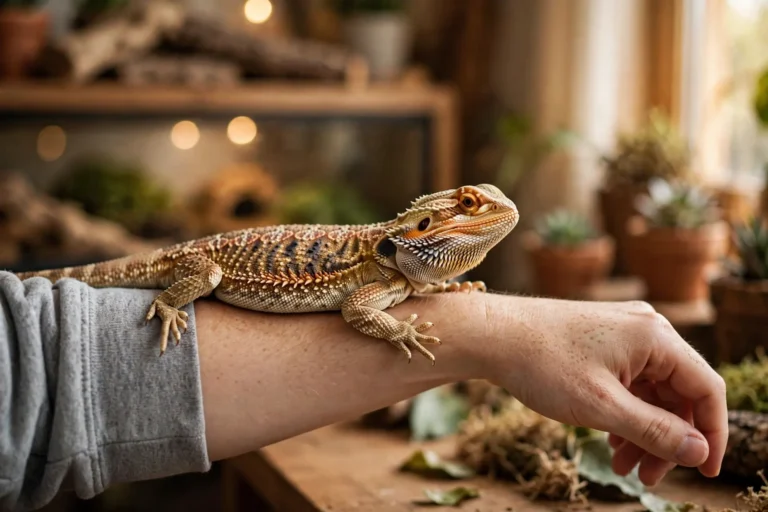
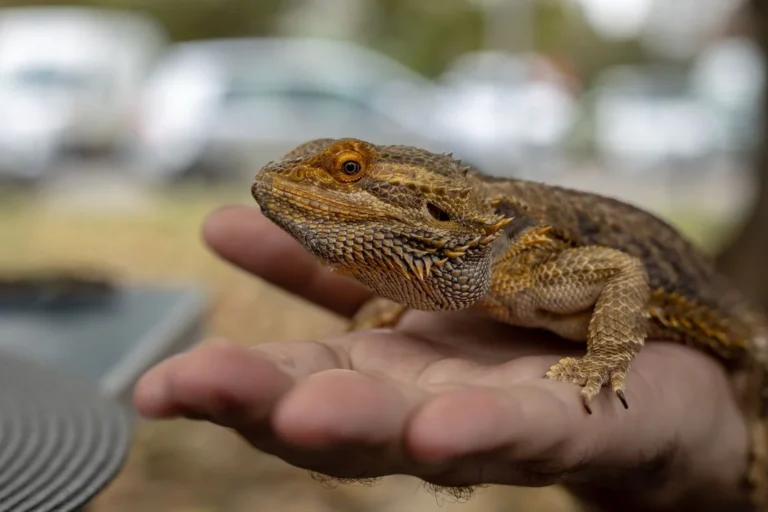
Aggression in bearded dragons is almost always fear wearing armor. Hissing, gaping at your hand, beard puffing, and in extreme cases biting are defensive behaviors from an animal that feels cornered. The common triggers: handling too much too soon, always approaching from above, no hides to retreat to, or another pet staring into the tank.
The fix is de-escalation, not discipline. Reduce handling to the minimum, rebuild with hand-feeding, approach from the side, add hides on both the warm and cool sides, and remove whatever the dragon is afraid of. A dragon that was calm and becomes aggressive is reporting a change — find the change.
8. Digestive changes
Stress affects the gut. Both diarrhea and constipation can follow stressful events — a move, a tank rearrangement, a scare. Short-lived digestive upset after a known stressor usually resolves on its own. But bowel changes are also classic illness signs (parasites especially), so the same rule applies: brief and explainable can be watched; persistent, or paired with weight loss or lethargy, goes to the vet. Parasites are common enough in bearded dragons that any sustained digestive change deserves a fecal test.
The stress-fix hierarchy
When several signs stack up, fix in this order — it follows the order of what dragons actually need:
- Temperatures. Verify basking and cool-side temps with a digital probe thermometer. Setup issues mimic stress so perfectly that everything else is guesswork until temps are confirmed.
- Space and security. Minimum 120 gallons for an adult, hides on both sides, three sides of the tank covered during adjustment periods.
- Remove the stressor. Cover reflective glass, move the tank away from other pets and high traffic, stop overhandling.
- Routine and patience. Consistent light schedule, regular feeding times, calm predictable handling. Then give it a week and recheck.
📊 Stat: Typical relocation stress runs 1–2 weeks of hiding and reduced appetite, with full comfort taking 2–4 weeks. That’s the normal window — but it’s also the deadline. Hiding plus appetite loss that persists past two weeks, any weight loss, or lethargy at any point stops being “adjustment” and starts being a reptile-vet appointment.
Check your dragon’s stress level
Answer eight quick questions below for a read on where your dragon stands — and what to do about it. Remember: this is a husbandry check, not a diagnosis. If stress signs come with appetite loss, weight loss, discharge, or lethargy, skip the quiz and call a reptile vet.
Bearded Dragon Stress Check
Answer 8 quick questions. This is a husbandry check, not a diagnosis.
If stress signs come with appetite loss, weight loss, discharge, or lethargy, skip the quiz and see a reptile vet — those can signal illness, not just stress.
Stress questions, answered
How long does relocation stress last?
Typically one to two weeks of hiding and reduced appetite, with full comfort in two to four weeks. The trend matters more than any single day — gradually less hiding and more basking means it’s resolving. If there’s no improvement trend after two weeks, review husbandry and consider a vet visit.
Can a bearded dragon die from stress?
Stress itself rarely kills directly, but chronic stress suppresses the immune system and appetite, which opens the door to the things that do kill — infections, parasites, and organ damage from prolonged not-eating. Treat chronic stress as seriously as a mild illness, because that’s functionally what it becomes.
Do stress marks mean I should take my dragon to the vet?
Not on their own. Stress marks with an obvious cause (new home, shedding, cold mornings) that fade are normal. See a vet when the marks persist with no explainable cause, or when they come with appetite loss, lethargy, weight loss, or other symptoms. The marks are a prompt to investigate, not an emergency by themselves.
My dragon is stressed every time I handle it. Should I stop handling entirely?
Scale back, don’t necessarily stop. Drop to short, calm sessions or just hand-feeding for a week or two, and rebuild gradually. But also check whether “stressed by handling” is really “stressed, period” — a dragon that’s already stressed by its setup will blame the handling. Fix the environment first.