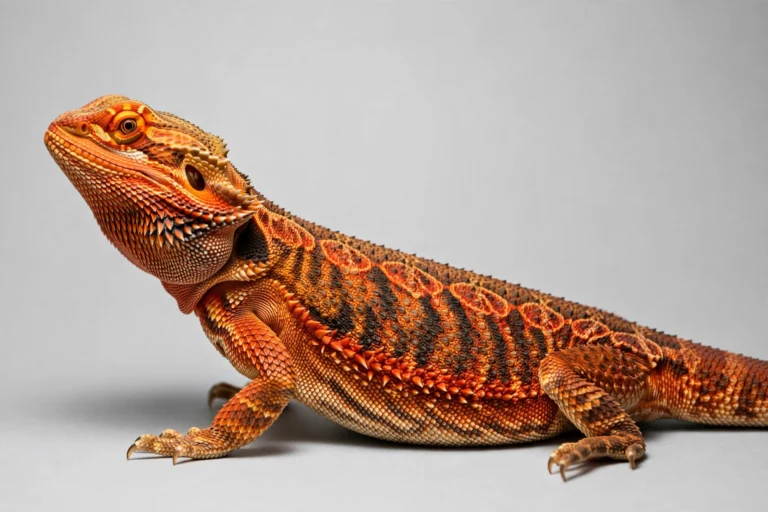
Rehoming a Bearded Dragon: A Responsible Owner’s Guide
Needing to rehome your bearded dragon does not make you a bad owner. Life changes in ways no care sheet can plan for: a move across the country, a new baby, a job that keeps you out of the house fourteen hours a day, an allergy nobody saw coming. What matters now is not why you are here, but what you do next. A bearded dragon handed over thoughtfully almost always lands in a good home. A bearded dragon dumped, given to the first stranger who answers an ad, or “set free” does not. This guide covers the responsible way out: your options ranked best to worst, what to prepare, and how to write an adoption ad that finds the right keeper.
Before you decide: is rehoming really necessary?
Pause here for an honest minute, because some of the most common reasons for rehoming have fixes that cost less than you think.
- Money is tight. The dragon itself is the cheap part; the setup is the expensive part, and you have already paid for it. Review the real cost realities of bearded dragon ownership — cheaper staple feeders and bulk greens can cut the monthly bill dramatically.
- It bit someone or will not tame down. Biting and skittishness are husbandry and handling problems, not personality verdicts. Most dragons come around with a few weeks of correct technique.
- You are moving. Bearded dragons travel better than almost any reptile. A ventilated carrier, a heat pack in winter, and the tank set up first at the new place is all it takes for most moves.
- Time. Be honest about this one. A healthy adult needs roughly thirty minutes a day. If your schedule genuinely cannot fit that, rehoming is the responsible call.
If the answer is still yes, do not feel guilty. Finding the dragon a better situation on purpose, while it is still healthy, is the responsible move.
The one option that is never okay
Let us get this out of the way first, because it still happens: never release a pet bearded dragon into the wild. Not in the desert, not in a park, not “somewhere warm where it will be fine.”
With that ruled out, here are your real options, ranked.
Your rehoming options, ranked best to worst
1. A reptile rescue or herpetological society
This is the gold standard. Reptile rescues exist specifically for this moment: they take the dragon in, sort out any health issues, and place it with a screened adopter. The typical surrender process is straightforward — you contact the rescue, describe the animal honestly (species, age, health, temperament, and your reason for surrendering), and bring the dragon in a secure carrier along with any medical records and spare supplies.
2. An experienced keeper you screen yourself
Keeper communities, reptile clubs, and trusted friends in the hobby are full of people who would love a healthy adult dragon — but only if you screen properly. Ask for photos of their setup, ask what UVB they use, ask who their reptile vet is. Anyone annoyed by those questions has told you everything you need to know. And consider how adoption works from the other side: the best adopters are the ones who already did their homework.
3. Back to where it came from
Good breeders will often take an animal back, no judgment — many say so in their sales terms. Some independent reptile shops will too. It costs nothing to ask, and the dragon returns to someone who already knows its history. Chain pet stores are a longer shot, but worth one phone call.
4. If no option exists, talk to a reptile vet
Sometimes every rescue is full, no keeper answers, and the situation is urgent. In that case, call a reptile vet and explain the situation honestly. Vets see this more than you think, and they can advise on humane next steps — including, in genuinely hopeless situations, a peaceful end that is still kinder than abandonment. This is a last resort, not a first call.
Your surrender-prep checklist and adoption ad builder
A dragon that arrives with records, a setup, and an honest description gets adopted fast. One that arrives as a mystery in a cardboard box does not. Work through the checklist, then use the builder to turn your answers into a copy-paste adoption ad.
What to hand over with your dragon
Gather all of this before the dragon leaves your house:
- Health records. Vet visit summaries, fecal test results, any treatments. Run through a healthy bearded dragon checklist yourself first, and disclose anything you find — a small kink in a tail is fine to mention, hiding it is not.
- The full setup. Tank, lighting, heating, decor, dishes. A dragon that moves with its own working setup skips the most dangerous part of rehoming: a new owner who has not finished shopping yet.
- The feeding routine in writing. What feeders, what greens, what schedule, what supplements. Two weeks of continuity food if you can manage it.
- Temperament notes. Does it hate being picked up from above? Love hornworms? Glass-surf when the dog walks past? Write it down.
- Your vet’s contact details. A new owner with a vet already named is far more likely to actually go.
And warn the new owner about relocation stress in bearded dragons: even a well-planned move means a week or two of hiding and skipped meals. Knowing it is normal stops a new keeper from panicking on day three.
Screening the new owner: six questions to ask
You do not need to interrogate anyone, but you do need answers to these before the carrier leaves your hands:
- What size tank will the dragon live in, and is it already set up?
- What UVB bulb are you using, and how old is it?
- What does a typical day of feeding look like?
- Do you have a reptile vet, or a regular vet who sees reptiles?
- Who else lives in the house — other reptiles, dogs, small children?
- If your situation changed, what would you do with the dragon?
That last question matters most. You are not just finding a home; you are finding a home that will do this same responsible handover if life ever changes for them too.
One last thing
Rehoming done right is an act of care, not a confession of failure. Use the checklist, write the honest ad, ask the six questions, and you will have done right by the animal — including on the way out.