Does Your Bearded Dragon Have a Respiratory Infection?
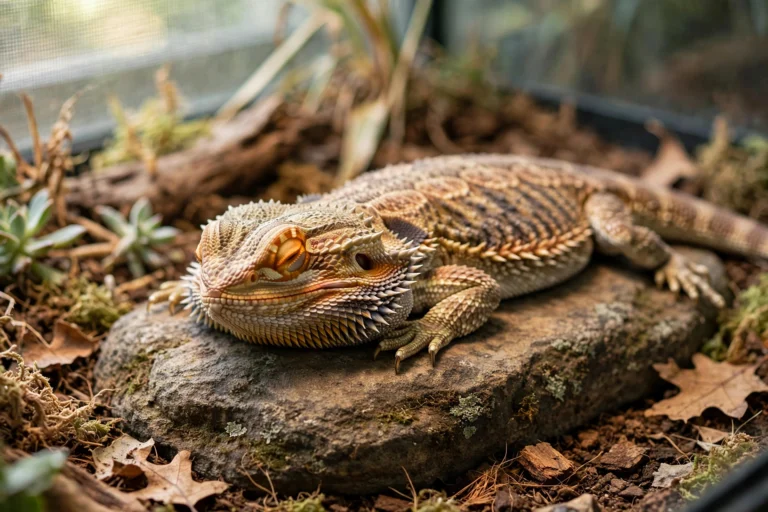
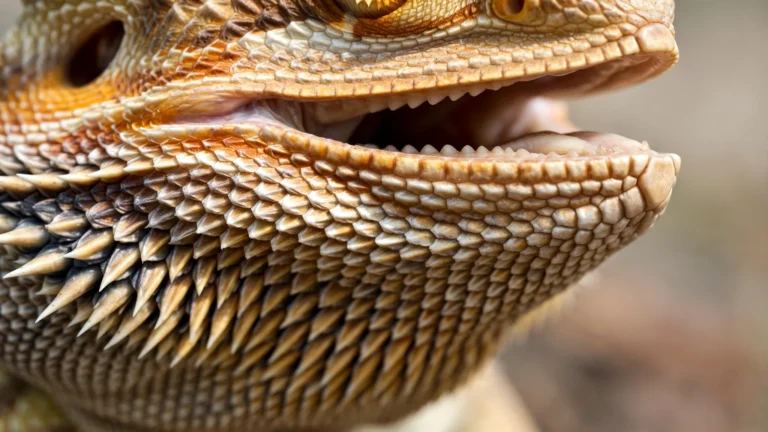
A bearded dragon sitting with its mouth hanging open, a faint clicking sound with every breath, a bubble of mucus at the nostril — if you have seen any of these, you are right to be concerned. Bearded dragon respiratory infection is one of the most common serious illnesses in captive dragons, and it is almost always a husbandry problem first and a medical problem second. These are desert animals: their lungs are built for warm, dry, moving air, and a cool, damp, stagnant tank is an open invitation to infection. This guide covers the signs to watch for, the causes behind them, and exactly when to get to a reptile vet — plus an interactive checker that sorts your situation into one of three clear action plans.
What causes respiratory infections in bearded dragons
Respiratory infections in beardies are usually secondary to the environment — bacteria, fungi, or viruses take hold because conditions weakened the dragon’s defenses. The big three triggers are:
- Chronically high humidity with poor airflow. This is the number one cause. Damp, still air lets microbes thrive and irritates the respiratory tract. Our humidity guide explains why it is the combination of moisture plus stagnation that does the damage.
- Temperatures too cool. A dragon that cannot get properly warm cannot mount a proper immune response. Nighttime temps dropping too low or a weak basking spot both contribute — see our basking temperature guide for the correct gradients.
- Poor hygiene and chronic stress. Dirty enclosures, soiled water, and constant stress suppress immunity. Regular tank cleaning is genuine preventive medicine.
New dragons, recently shipped or rehomed animals, and dragons already run down by another illness are the most vulnerable. One more honest note: bearded dragons are masters at hiding illness. By the time breathing looks wrong, the infection is usually well established — which is why fast action matters more here than with most health issues.
Signs of a respiratory infection
No single sign confirms anything on its own — that is a vet’s job — but these are the signs reptile veterinarians associate with respiratory infections. The more of them you see together, the more urgent the situation:
Respiratory infection or something else? Three common lookalikes
Not every open mouth or odd breath means infection. Before you panic, rule out these everyday explanations — then act on what remains:
- Basking gaping. A dragon sitting directly under the heat lamp with its mouth open is almost certainly just dumping excess heat. Normal gaping stops when the dragon moves off the basking spot. Gaping that continues in the cool end is the version that warrants attention.
- A piece of shed or substrate near the nostril. A flake of shed skin or a grain of loose substrate stuck at the nostril can cause sneezing and snorting that mimics early infection sounds. If you can see the speck and the dragon is otherwise bright, alert, and eating, a gentle saline-dampened cotton swab to the outer nostril area may resolve it — never probe inside the nostril.
- Post-drink throat movements. Dragons sometimes make odd gulping or throat-puffing motions right after drinking or eating, which can look like labored breathing for a few seconds. It passes quickly and is not repeated.
The pattern that separates real concern from false alarms is persistence plus combination: a sign that keeps happening over hours or days, especially two or more signs together (say, gaping off the basking spot plus mucus), is worth a vet call even if each sign alone could be explained away. When in doubt, run the checker below — it is built to sort exactly this uncertainty.
Respiratory infection checker: which action plan fits?
Answer five quick questions about what you are seeing and your tank conditions. You will get one of three action plans: a husbandry fix list, a monitor-closely checklist, or a vet-now escalation. This is a sorting tool, not a diagnosis — only a reptile vet can diagnose your dragon.
Is it a respiratory infection? — action-plan checker
What your reptile vet will do
If your checker result — or your gut — says vet, go. A reptile vet will examine the mouth and nostrils, listen to the lungs, and may take an x-ray to check for pneumonia. Treatment is prescription medication chosen for the specific infection found, given at doses calculated for your dragon’s weight — this is why respiratory infections cannot be treated at home. There is no safe over-the-counter fix, and guessing at drugs or doses can harm your dragon or mask the problem until it is worse. Expect a recheck visit: vets usually want to confirm the lungs are clear before declaring the all-clear.
Supportive care while you arrange the vet visit
These steps support your dragon while you wait for the appointment — they are not a substitute for it:
- Warm the basking spot toward the top of the safe range (around 105–108°F surface temperature). Extra warmth supports the immune response; several reptile care resources describe this as a useful stopgap while arranging veterinary care.
- Drop the humidity into the 30–40% range: move the water dish away from heat sources, stop misting, and improve airflow around the tank.
- Keep handling minimal and the environment quiet so your dragon can rest.
- Do not bathe a dragon that is struggling to breathe — water near the airway of a compromised animal is a risk, not a help.
Preventing the next one
Once a dragon has recovered, keep it from happening again with the same levers that caused it:
- Hold humidity at 30–40% with a digital hygrometer you actually check.
- Verify temperatures with a probe thermometer or infrared gun — dial thermometers on the glass lie.
- Clean on schedule: spot-clean daily, deep-clean regularly.
- Quarantine new dragons and wash hands between handling different animals.
- Keep a healthy bearded dragon baseline in mind so you notice subtle changes early — appetite, energy, and posture shifts are your early-warning system.