Bearded Dragon Sneezing: Salt Sneeze or Something Worse?
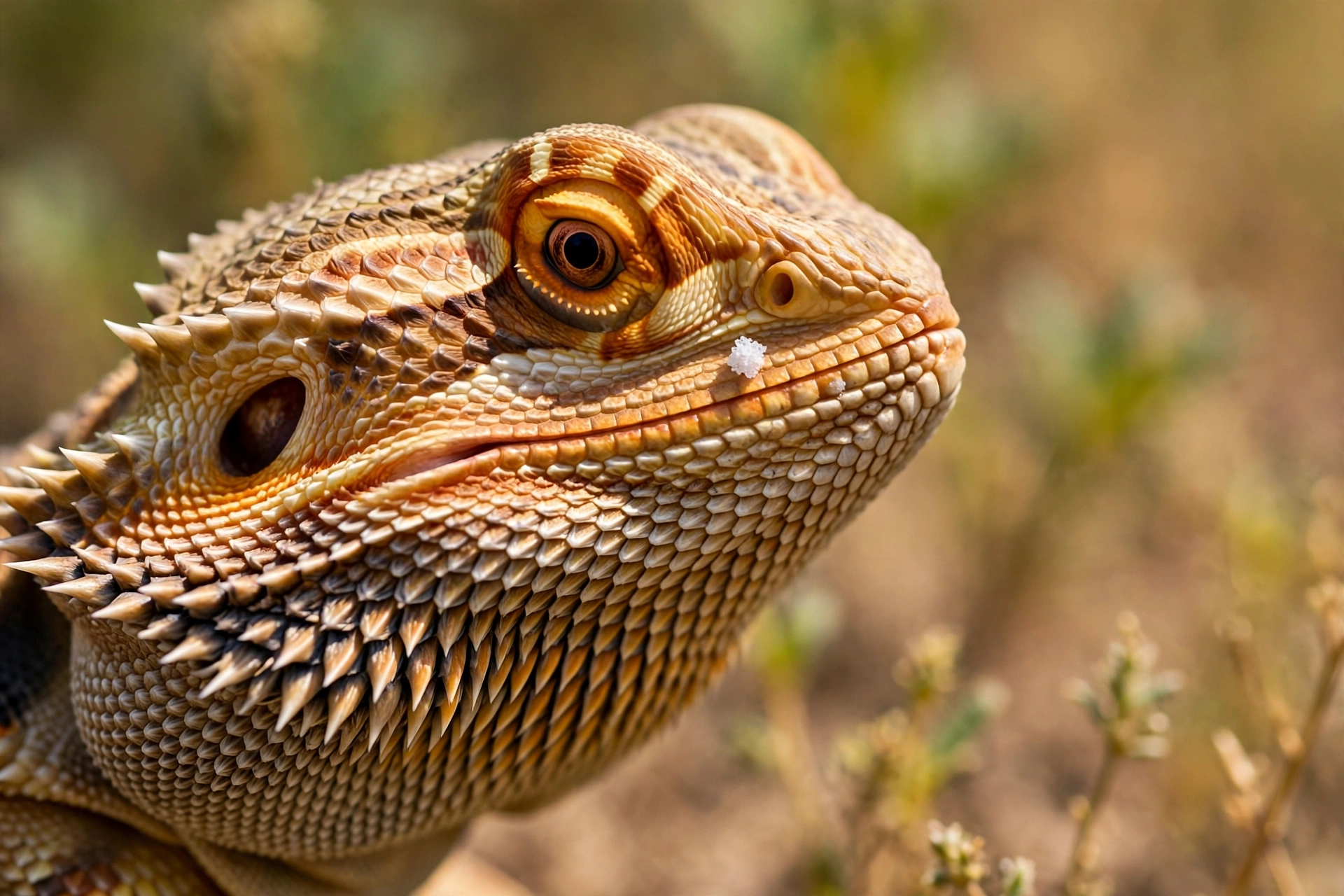
You are watching your bearded dragon bask when it suddenly jerks its head and lets out a tiny, sharp sneeze. A white crusty speck sits near one nostril. Your stomach drops — is this how a respiratory infection starts? For most dragons, that single dry sneeze is nothing more than the reptile version of clearing its throat. But occasionally, sneezing is the first whisper of something that needs a vet. The difference comes down to what comes with the sneeze, and learning to read those clues takes about two minutes.
The Sneeze Decoder
Tap every sign you have actually observed. The decoder weighs them and points you toward the most likely explanation — and what to do next. It does not diagnose anything.
Everything you tapped fits the normal nasal-salt-gland sneeze described below. No action needed — just keep an eye out for any change, especially mucus or breathing sounds.
Do next: note the date, carry on with normal care, and re-run this decoder if anything changes.
Frequent dry sneezing without any wet signs usually points to something in the environment: fine dust from substrate, a new bedding, or humidity drifting too high or too low. Dragons clear irritants with repeated sneezes, the same way you would in a dusty room.
Do next: switch to a dust-free substrate, check that humidity sits between 20 and 40 percent, and watch for 48 hours. If the sneezing continues or any wet sign appears, move to the vet path below.
Mucus, bubbles, wheezing, clicking, open-mouth breathing away from the bask, a puffed throat, or lethargy with appetite loss are the classic red flags for a respiratory infection vs a simple sneeze. Reptile respiratory infections can turn serious fast and only a vet can confirm one.
Do next: call a reptile vet promptly. Meanwhile, keep the basking spot warm (95–110°F), humidity at 20–40 percent, and the enclosure clean — supportive warmth buys time but never replaces treatment.
Why Bearded Dragons Sneeze: The Salt Gland Explainer
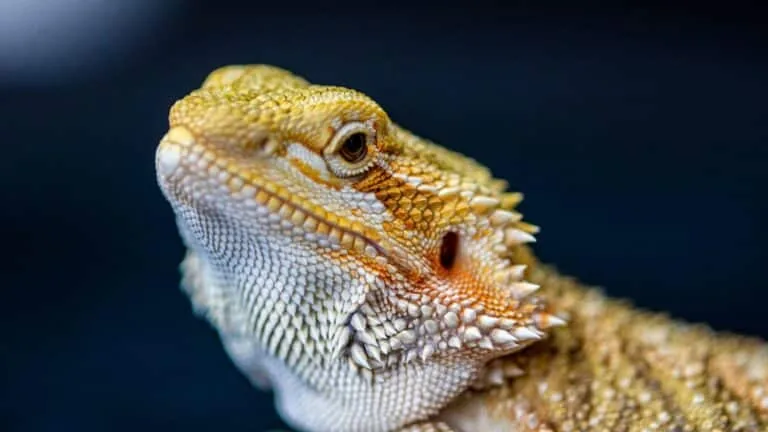
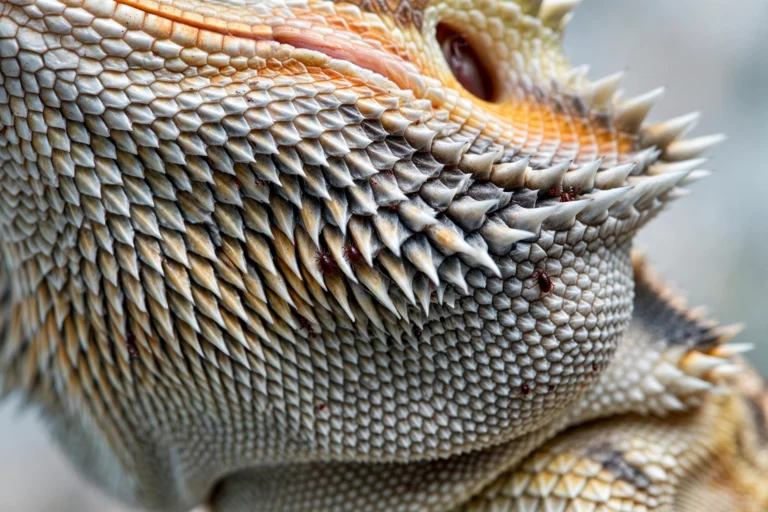
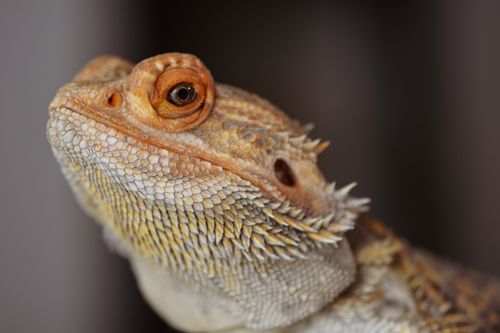
Unlike mammals, bearded dragons do not sweat, and they cannot simply urinate away excess minerals. Instead, they use a pair of nasal salt glands — small structures tucked into the snout — to push extra sodium and potassium out through the nostrils. When those glands actively flush, the dragon forcefully exhales to clear the passage. To your ears, that sounds exactly like a sneeze.
This is why the classic healthy-dragon sneeze looks the way it does: a single, dry pop, then business as usual. You may notice a tiny white or translucent crust at the nostril afterward — dried salt, not mucus. A well-hydrated dragon on a sensible diet sneezes this way occasionally and shows zero other symptoms. No wheeze, no bubbles, no change in appetite or energy. It is a body doing routine maintenance.
Hydration plays a quiet role here. The salt glands help manage the mineral load when water is scarce, which is one reason dehydration can make the sneezes more frequent. Regular baths, gut-loaded feeders, and fresh greens support this whole system, which is why salt excretion patterns are worth noticing alongside drinking habits.
One more innocent scenario: sneezing right after a bath or a long drink. A few drops of water in the nasal passages get cleared with a sneeze or two. If the dragon dries off, warms up, and goes back to normal within an hour or two, that was plumbing, not illness.
When a Sneeze Is Something Worse: RI Warning Signs
Respiratory infections are one of the more common serious illnesses in captive bearded dragons, and sneezing can be an early symptom. They usually take hold when husbandry slips — most often humidity running above 40 percent for extended periods or basking temperatures too low to support the immune system.
Learn the red-flag list by heart:
- Mucus or bubbles around the nostrils or mouth — the single most important sign. Salt crusts are dry and white; infection discharge is wet, stringy, or bubbly.
- Wheezing, clicking, or gurgling sounds when the dragon breathes. Put your ear near (not on) the dragon in a quiet room and listen.
- Gaping or open-mouth breathing while not basking. Basking dragons gape to dump heat — that is normal. Gaping on the cool side or at rest is not.
- Puffed-up throat while breathing or visibly labored breaths, with the whole body working to move air.
- Lethargy and appetite loss arriving together with any breathing sign. A sick dragon often darkens its beard for hours and stops chasing food.
- Swelling around the eyes, neck, or chest in advanced cases.
Any one of the wet or breathing signs above is enough to justify a vet call — you do not need to wait for a full set. An untreated respiratory infection can progress to pneumonia, and dragons deteriorate quickly once breathing is compromised. Only a reptile vet can confirm an infection and prescribe treatment. Home measures like raising the basking temperature a few degrees and dropping humidity help the dragon cope, but they do not cure an established infection.
Your Sneeze Triage: What to Do Right Now
So your dragon just sneezed. Here is the calm, step-by-step triage:
Step 1 — Look, don’t panic. Is there mucus, bubbles, or wetness? Any wheeze, click, or gurgle? Is the dragon gaping away from the basking spot, lethargic, or off its food? If every answer is no and it was a single dry sneeze, you are almost certainly looking at a salt sneeze.
Step 2 — Check the environment. If sneezing is frequent but dry, audit the setup before assuming illness. Recent substrate change? Humidity between 20–40 percent? Basking spot at 95–110°F? A too-cool basking spot quietly weakens immune defenses, and dusty substrate is the most common irritant of all.
Step 3 — Give it 48 hours of watchful waiting for dry, frequent sneezing with no red flags. Count the sneezes, note any new symptoms, and keep the enclosure warm and clean.
Step 4 — Call the vet on any red flag. Mucus, bubbles, breathing sounds, resting gape, puffed throat, or lethargy with appetite loss means it is time for professional help. This is exactly when sneezing needs a vet rather than more home observation. Describe exactly what you saw — “three wet sneezes with bubbles this morning, clicking when breathing” gets you better triage than “he seems sick.”
A few things not to do: do not pull at crusts or “nose plugs” around the nostrils — dragons shed the skin inside their nostrils naturally, and yanking at it can cause bleeding. Do not start any medication or home treatment on internet advice. And if the eyes are involved too, swelling or discharge there counts as related head symptoms that strengthen the case for a vet visit.
The bottom line is reassuring: the vast majority of bearded dragon sneezes are the salt glands doing routine plumbing. Learn the red flags, keep the humidity honest, and the occasional tiny sneeze becomes something to smile at, not worry about.
What to Read Next
Heard a worrying sneeze? If the decoder above pointed you toward the vet path, do not wait for the weekend — find an exotics vet near you and describe exactly what you observed.
This article describes observable signs to help you decide when to seek professional care. It is not a diagnosis, and respiratory symptoms should always be evaluated by a qualified reptile veterinarian.